The Last Emperor of China
I have a new Wall Street Journal book review to share. The Last Emperor of China: Twilight in the Forbidden City is Paul French’s tragic account of deposed Qing emperor Puyi’s final two years living in Beijing’s Forbidden City palace, which overlapped with his first two years of marriage:
China’s last imperial wedding procession began at 3 a.m. on Dec. 1, 1922. Seated inside a palanquin decorated with gold and blue phoenixes, the 16-year-old bride, Wanrong, left her family’s courtyard home and was carried by a battalion of eunuch sedan-bearers through the frigid streets of Beijing. Crowds of onlookers lined the procession course: ordinary urbanites, former dynastic officials and foreign residents of the capital, all hoping to catch one final glimpse of imperial extravagance. The ethnically Manchu Qing dynasty had fallen a decade prior, but many in Beijing were willing to set aside their republican sentiments for a peek at the anachronistic ritual and glamour of the deposed emperor’s nuptials.
The procession brought Wanrong inside the Forbidden City palace complex, where she met Puyi, also 16 years old, for the first time. Her groom had ascended to the Qing throne at the age of 2, only to see his rule end four years later when a rebellion toppled the imperial system. Since 1912, Puyi had lived a secluded life inside the Forbidden City, head of the “Little Court” that continued to defer to him as the Son of Heaven. As Wanrong entered the palace grounds, she traded the life of a cosmopolitan schoolgirl for the gilded cage of a Manchu empress. She had no idea that within two years she and Puyi would be cast out of the Forbidden City and their lives turned upside-down. READ MORE (gift link)
Reading French’s book naturally sent me back to my own memories of visiting the Forbidden City, and I pulled out the photo albums from my first trip there in the spring of 2005.
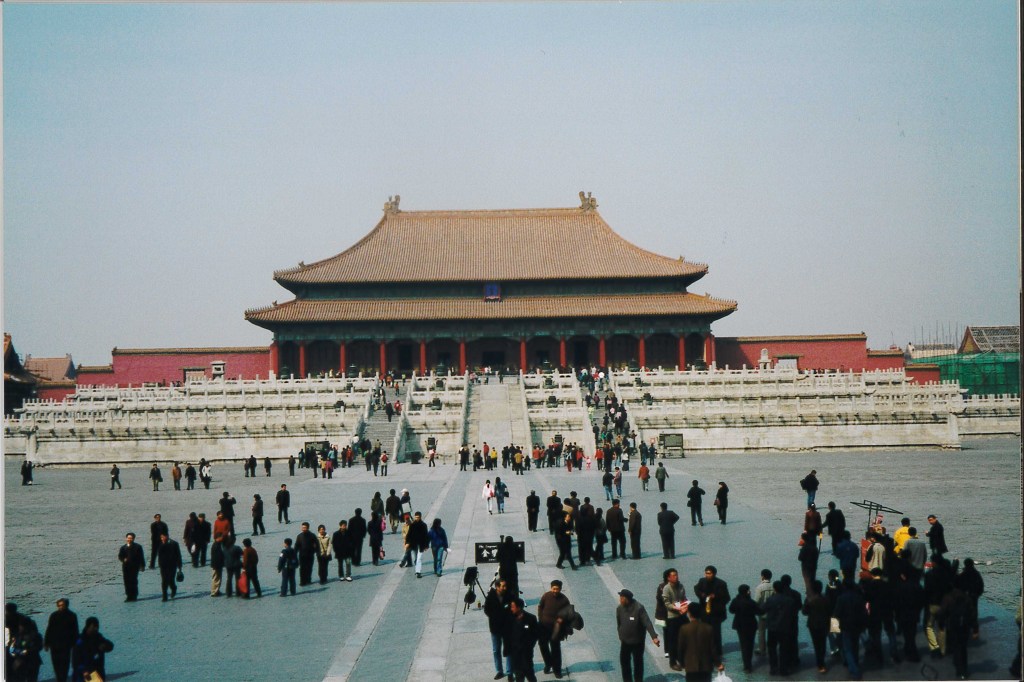
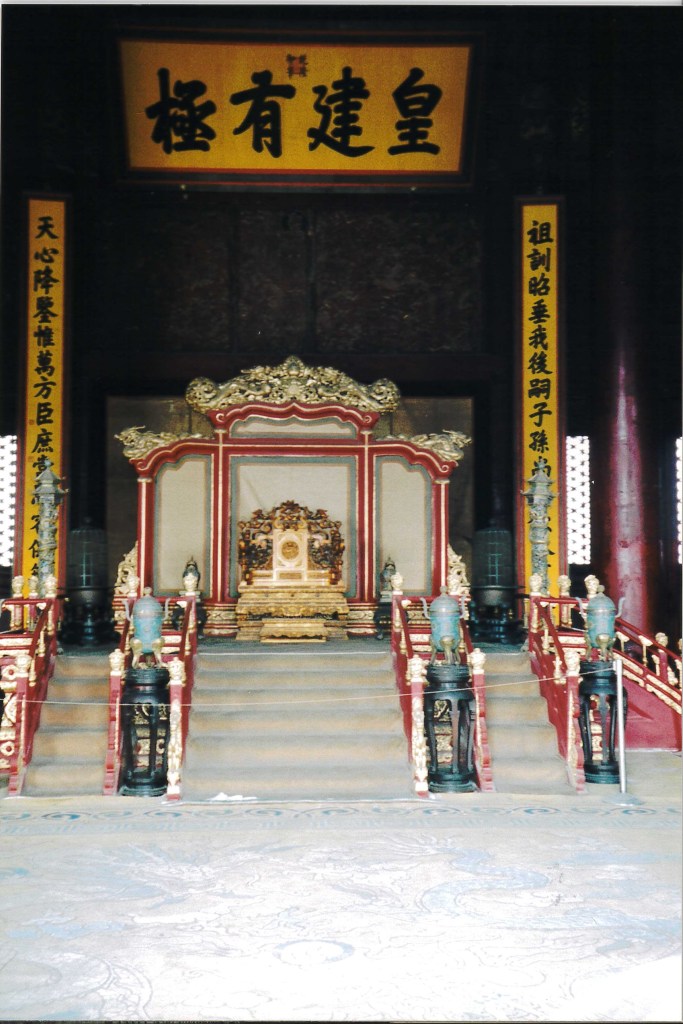
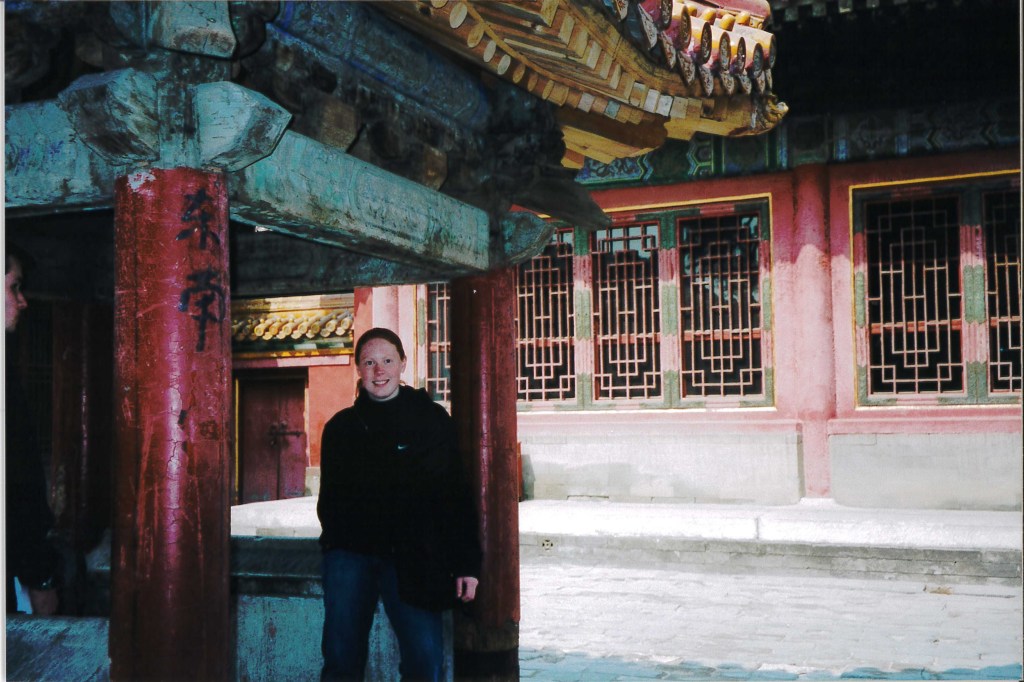
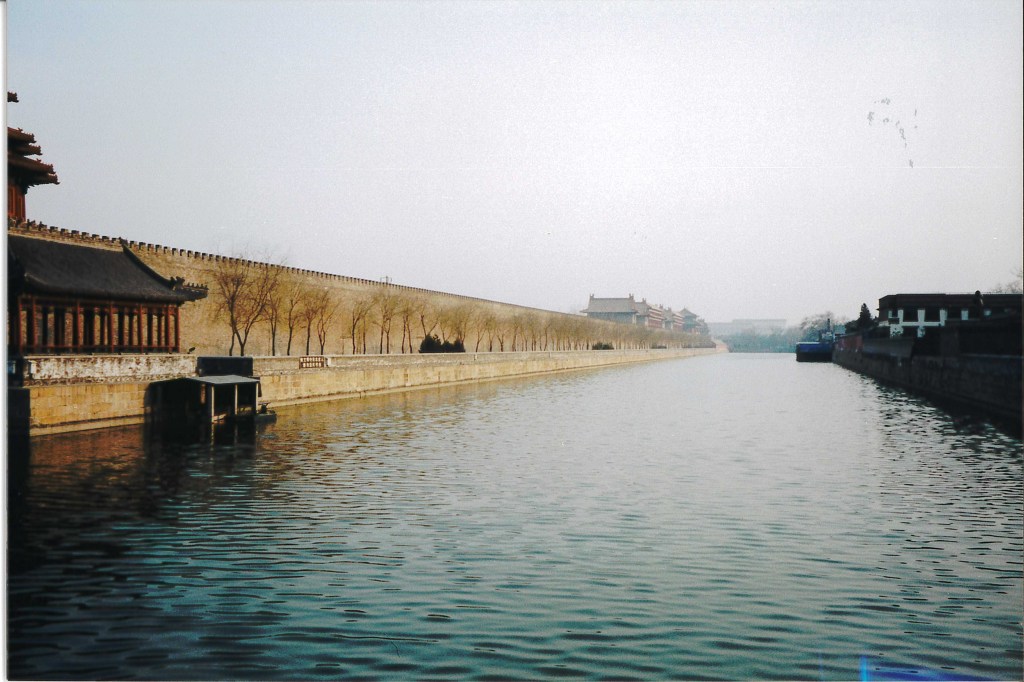
I’ve also reviewed several of Paul French’s previous books—all of that writing is collected in this post.
Thanks for joining me this week. 📚
Recommendations
China Stories
Julian Gewirtz, “The Scandal Is Bigger Than Jensen Huang”
For centuries, China was a continental force. Its sudden, historic emergence as one of the world’s top maritime powers is challenging the U.S. on a scale it hasn’t faced since World War II. — Niharika Mandhana, Josh Chin, and Camille Bressange, “The U.S. Once Dominated the World’s Oceans. China’s Xi is Changing That.”
Tiffany May, “A Monkey King and a Maiden Fell in Love. For China’s Regulator, It Crossed a Line.”
Jeremy A. Murray, “What Went Right for Beijing? Three new books reconsider China’s authoritarian resurgence.”
Jennifer Pak, “Americans can’t get enough of mahjong. These traditional makers are cashing in”
James Palmer, “Huang Resigns from Nvidia” — I’ve largely skipped the in-depth articles about Jensen Huang’s affair with an alleged PRC spy; I feel like I’ve gotten the gist of it from reading headlines and Bluesky posts. Here, Foreign Policy journalist Palmer provides a helpful overview of the whole debacle, and the potential fallout on U.S.-China relations, in this free issue of his China Brief newsletter.
Georgia Pollard, “Controlling the Narrative: Information, Image, and Influence in China’s Diplomacy w/ Maria Repnikova”
Suvi Rautio, “The Chinese Boy with Golden Hair and Jade-Green Eyes: My Father in Beijing’s Revolutionary Past”
In Kashgar, middle-aged Chinese men in cowboy hats descend from tour buses to chow down on grilled lamb skewers and pilaf. As they wander the streets of the old town, they are less than 10 miles from several suspected detention centers operating during the height of China’s crackdown. — Brian Spegele, “China’s Most Controversial Region Has Become a Showcase for Its Commercial Ambitions”
Danny Vincent, “‘I worry people will forget Hong Kong’: Joshua Wong laments city’s fate from inside maximum security prison”
Xu Jian, “Digging Into China’s Overlooked World War I History”
Wanderings Around the World
Trump’s fawning over icons of the past offers an even shallower interpretation of history than even the earliest proponents of the “great man” approach to history. While previous generations of writers and scholars may have overestimated the importance of individual figures in shaping world events in service of teaching broader moral lessons, Trump celebrates the past’s most famous figures for their fame alone. While early biographies may have carefully avoided mentioning that George Washington owned slaves, in 2023 Trump told an audience outright that “he probably didn’t.” For Trump, it seems, historical relevance doesn’t just start at celebrity—it ends there, too. — John Garrison Marks, “Why Donald Trump Wants To Replace American History With Big Statues Of Famous People”
Diaa Hadid and Omkar Khandekar, “These workers help train robots who could one day steal their jobs”
Maggie Mertens, “Teaching the Next Generation of Writers in the Age of AI: A roundtable interview with writing professors in the thick of it.”
Snigdha Poonam, “The Lucrative World of Literary Scams: Why writers are the perfect target.”
Eli Siegel-Bernstein, “The Rising Cost of Keeping Egypt’s Vibrant Literary Culture Alive”
Standout Story
The history of paper sons is obscure even to most Chinese-Americans. That’s partly by design, since succeeding as a paper son meant living a life of concealment. I also knew growing up that my grandfather entered the U.S. under a fake name, but had only a fuzziest sense of my family’s story beyond that. — Josh Chin, “The ‘Paper Son’ Gambit My Family Used to Defy American Exclusion”
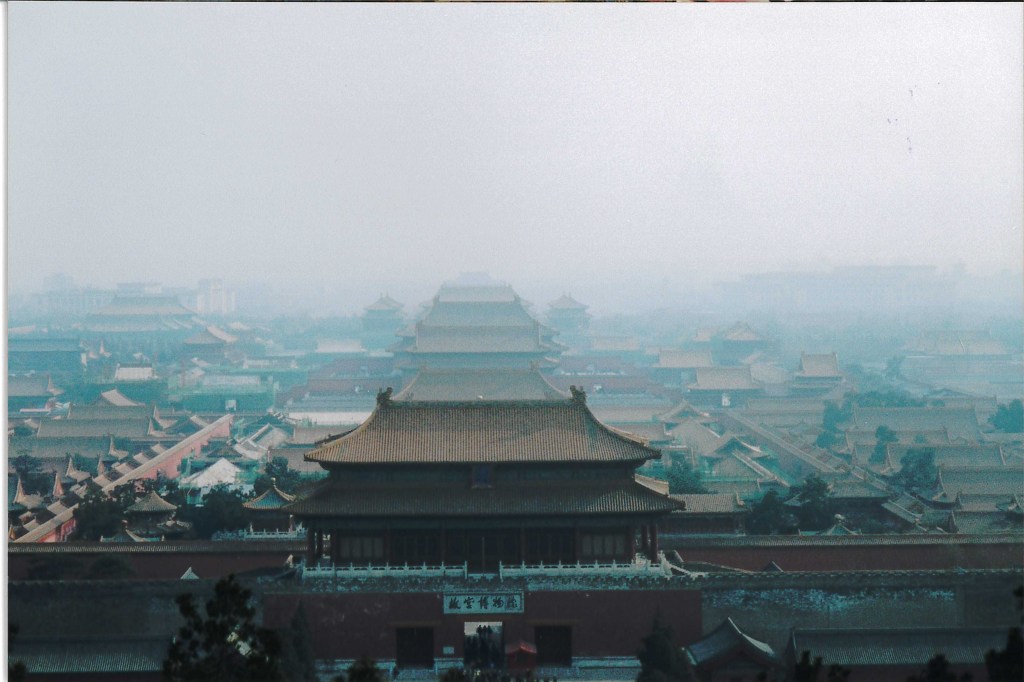
Featured photo: Beijing’s Forbidden City, as seen from Jingshan Hill on a smoggy day, in spring 2005.


Leave a Reply