Catching Up
I’m back!
I had not intended to take September off from writing. It just sort of … happened. My Labor Day vacation rolled into a few especially busy weeks at work, which then rolled into the AAS-in-Asia conference in Pakistan, and then somehow September was over. I’m writing this during a Saturday afternoon layover in the Istanbul airport, where a strong latte and chewy almond cookie are keeping me vertical. I’ve been here for three hours already and am getting itchy to board my flight and head home. Two more hours to go.
I’ll share plenty of photos and thoughts from Pakistan soon, but here are a few snapshots to get started:
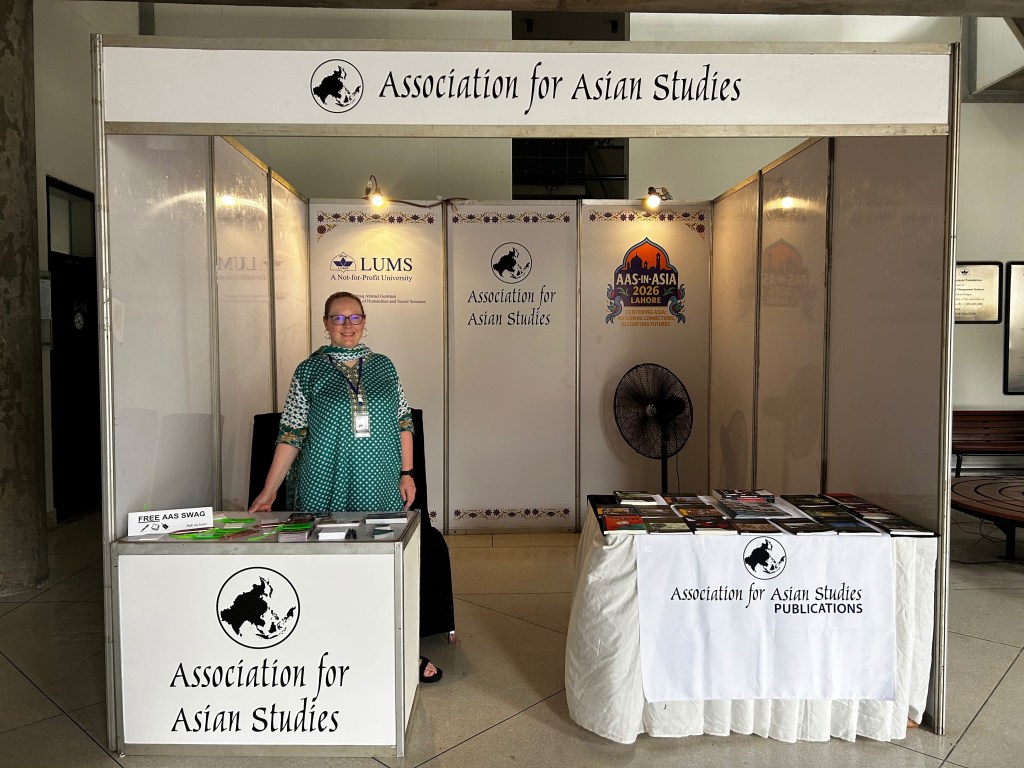
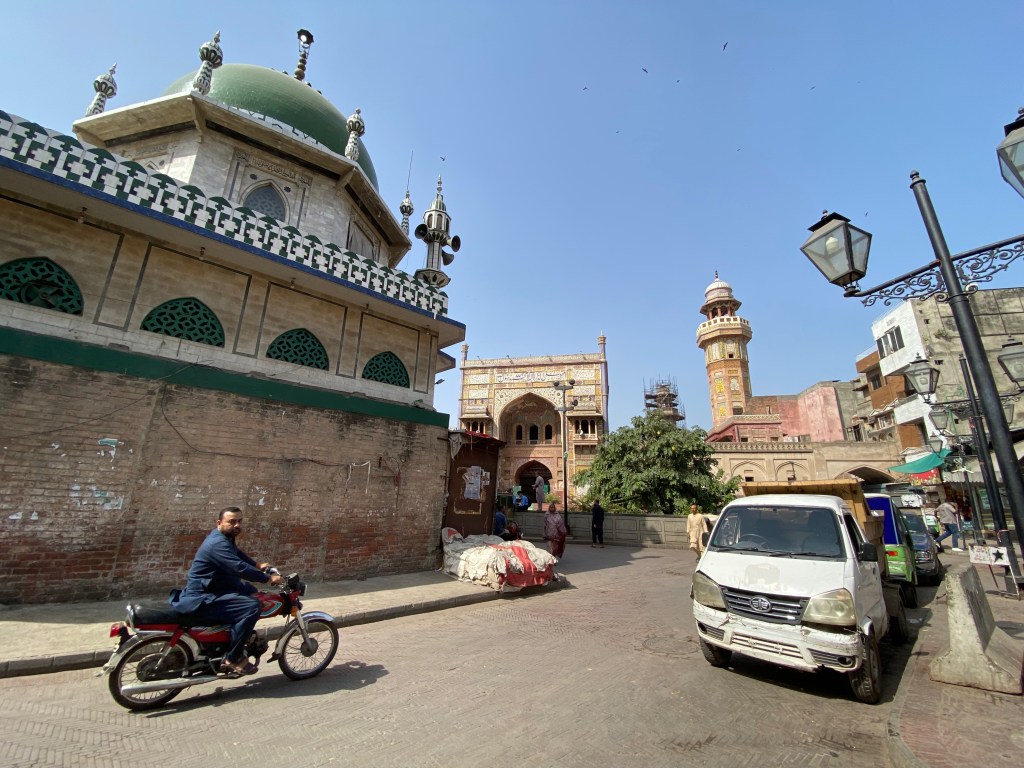
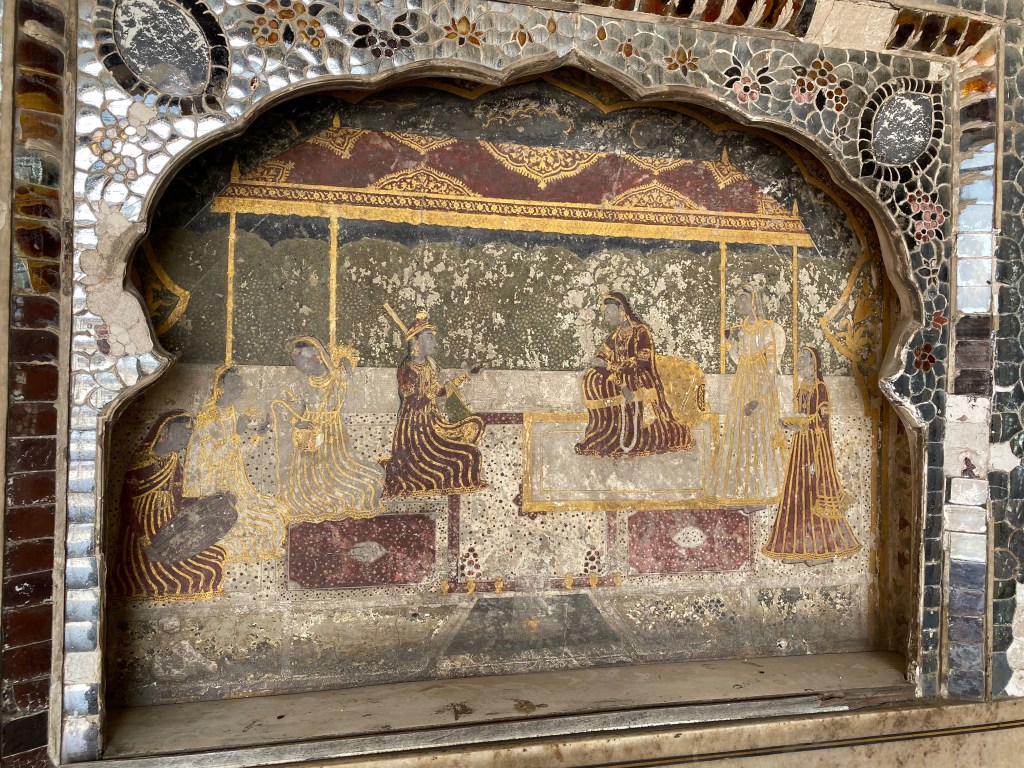
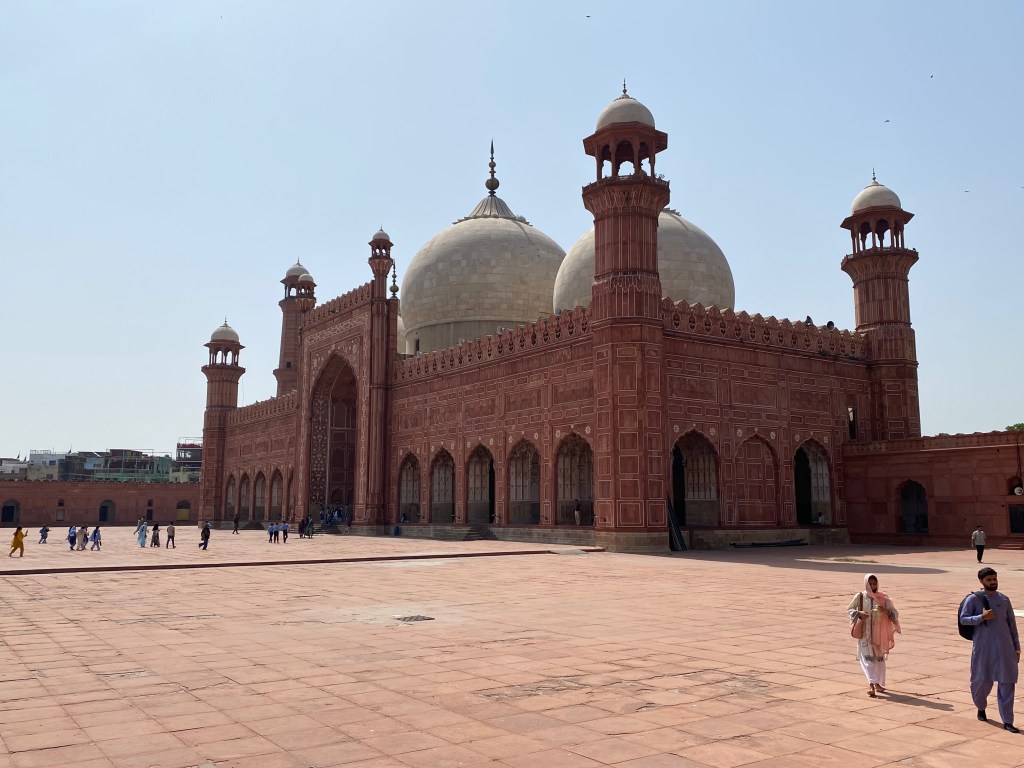
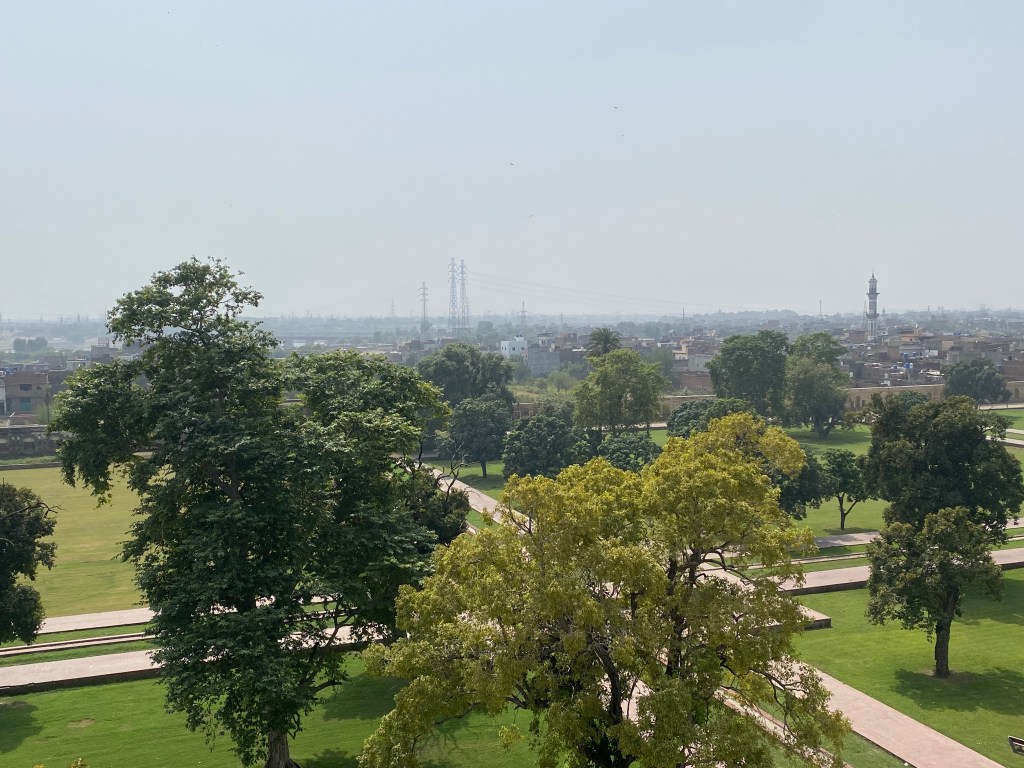
I have a bunch of story links for you below, plus a short review of The Last Free Women: A Daring Escape from Afghanistan and Coming of Age in America, a book that I liked and recommend, albeit with one big caveat.
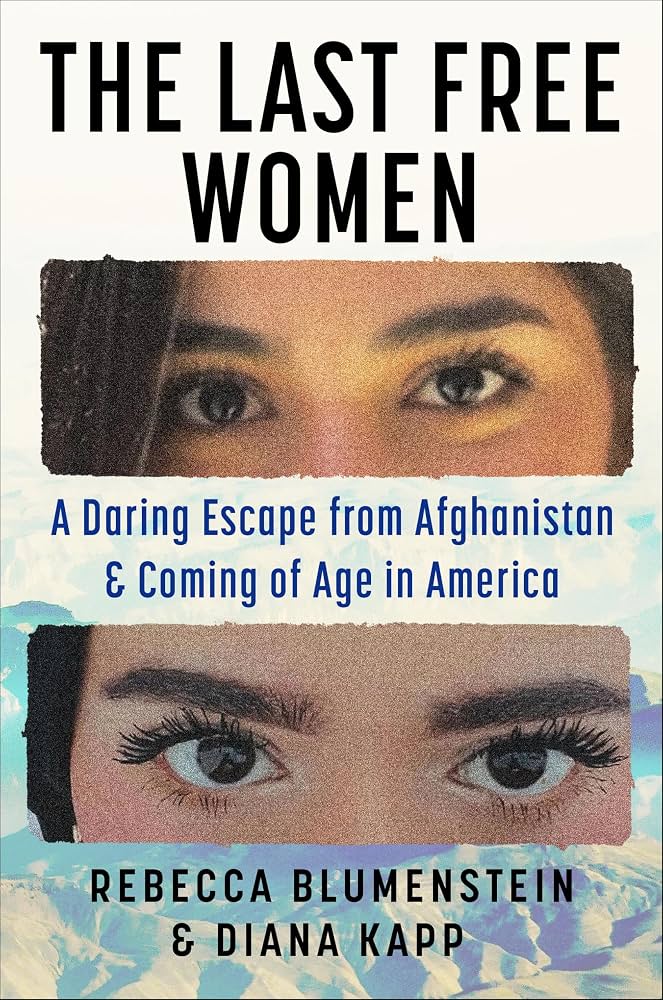
Thanks for joining me this week. Happy October. 🍁
Recommendations
China Stories
Chang Che, “There Is No A.I. ‘Race’”
Chen Xi, “Can VR Capture the Power of China’s Ancient Caves?”
… reporters are no longer focused on providing information, but on avoiding statements that deviate from expectations. What can and cannot be said is often settled before the interview begins, and whether a segment airs smoothly depends on whether it stays within those boundaries. — Tian Jian, “Scripting the Source”
Adam Y. Liu, “Zhu Rongji’s ‘Big Move’” — excerpt from Liu’s recent Cornell University Press book, Authoritarian Markets: The Politics of China’s Banking Explosion
Tiffany May and Berry Wang, “In the Age of A.I., Some in China Wonder if Learning English Is Worth the Trouble”
Jennifer Pak, “Half a century after Mao’s death, fascination with the communist leader is on the rise”
Shen Lu, “Reading My Own Life: Inside M Lin’s ‘Memory Museum’”
Ashish Valentine, “Taiwan’s lost films hold the sounds and stories of a vanishing era”
Jeremy Wallace, “China Takes the Wheel”
Liangzhu means “beautiful waterland,” and it more than earns the name—rivers, lakes, and marshes thread through the low hills at the town’s edge. The town is hip, idyllic, contrarian, and increasingly known as an escape for workers burnt out by the grind of China’s booming tech industry. To those back in Beijing or Shenzhen, Liangzhu has become a low-cost retreat where people can afford to vibe-code—building software through conversations with A.I., as opposed to writing source code at a line-by-line level–on their own terms, without having to work what is known as the 9-9-6, an extreme schedule that is common in Chinese tech firms of working from 9 A.M. to 9 P.M., six days a week. — Afra Wang, “What China’s Vibe-Coding Capital Can Tell Us about the A.I. Boom”
Lingling Wei, “At Taiwan’s Temples, a Glimpse of What China Could Have Been”
Peiyue Wu, “China Wants a Slimmer Nation. Big Tech Wants a Piece of It”
To the social media users, their individual posts might feel like a personal reflection or complaint. But collectively they offer an account of China at odds with the official narrative of progress and prosperity. — Li Yuan, “Social Media in China Is Getting Really Dark”
Ethan Zuckerman, “How AI learned to love the Chinese Communist Party”
Wanderings Around the World
Our story is a record of an internet that no longer exists: the one with human editors, not algorithms, discovering and surfacing content worth seeing. The one that offered real access and possibility, resulting in a federal agency highlighting our work and an editor at a major publishing house discovering our project. The one that connected us to a host family for our dog and motorhome in rural Washington, no strings attached. That internet—serendipitous, kind, free, and open—is gone. — Mark and Betsy Blondin, “Still On Its Way to Cleveland: Nine months, 25,000 miles, one phone cord, and the kindness of strangers.”
Slusser never, as far as I can tell, bought a historic artefact from anyone authorised to sell it. She told herself and others that she was “rescuing” these stolen goods from neglect. But her “care” sometimes physically damaged these artefacts – and always did inestimable harm to Nepal’s heritage and cultural traditions. Slusser’s story should force anyone who currently holds an artefact once worshipped in Nepal to think long and hard about the continuing pain that is the inescapable consequence of their aesthetic pleasures. — Erin L. Thompson, “Mary Slusser’s secret loot of Nepal’s sacred art and heritage”
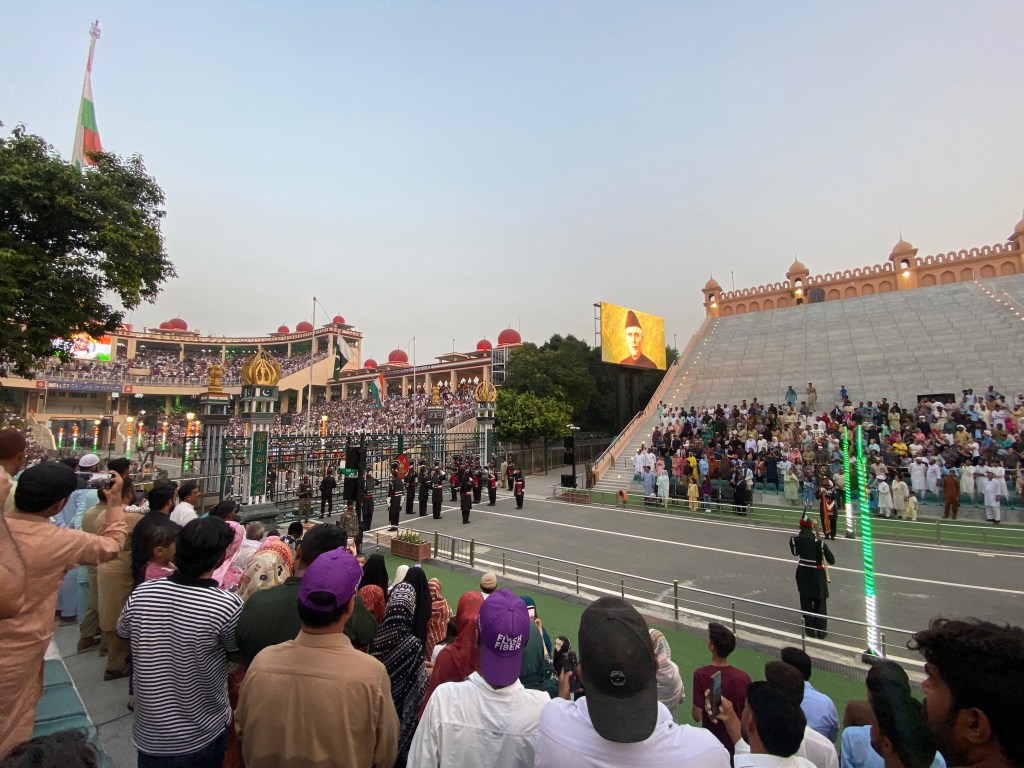
Featured photo: The daily flag-lowering ceremony at the Attari-Wagah border between India and Pakistan, October 2, 2026.


Leave a Reply