In just about a month I’ll be leaving for ten days in Lahore, Pakistan—first to work at the AAS-in-Asia conference, then for some time on my own to see the city. This will be my first trip to Pakistan, so of course I’m preparing the best way I know how: research.
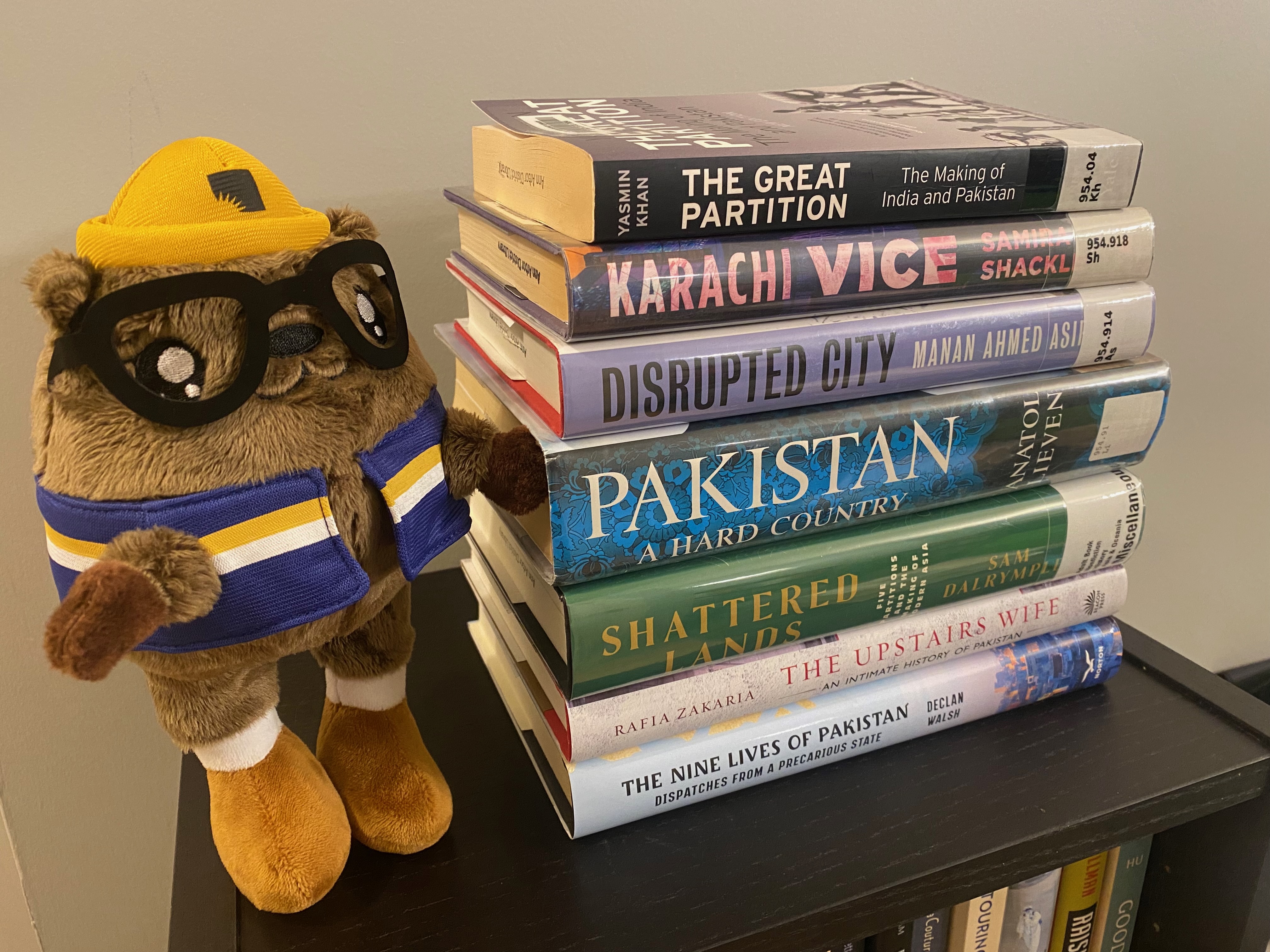
I probably won’t get to read all of these books (I also have PDFs of several others downloaded from the University of Michigan library and saved on my computer.) I wanted to give myself options—some history, some reportage, some travel; a few books focused on Lahore, others about Pakistan more generally. I know that I won’t arrive with a comprehensive understanding of a very complicated country, but I’ll see how much I can manage.
Thanks for joining me this week. 📚
Recommendations
China Stories
David Bandurski, “Hanging a Banner for Chinese AI”
Jonathan Chatwin, “Michael Dillon On Shanghai — China’s Most Dynamic City”
Julian Gewirtz, “Is Trump Really Giving Xi a State Visit 40 Days Before the Midterms?”
Hong Kong Free Press, “How an escalating crackdown on Hong Kong’s independent bookstores put Taiwan publishers in the spotlight”
AI anchors and AI-generated dramas are growing rapidly in China. But how far can a generative persona go before the illusion is broken? Meet Peach Fang. — Dalia Parete, “The Problem With Peach”
William Langley, “Hong Kong’s plan to clear rural villages for a new gateway to China”
Christelle Nguyen, “The Limits of Talking About China in Europe”
99% Invisible podcast, “Bamboo Is Innocent”
As I browsed the neatly arranged shelves, a seven-volume Uyghur novel caught my eye. Hidden in a corner, perhaps intentionally concealed, it seemed to call to me. I asked if I could borrow it. The host lowered his voice. “It’s a well-written book about the brutalities of the Cultural Revolution,” he said quietly. “It’s banned by the government. Don’t show it to anyone, don’t take it to school, and return it when you’re done.” It was titled Leyighan Bulaq (The Muddy Spring) and written by the famous Uyghur novelist Jalalidin Băhram. — Yalkun Uluyol, “A moment that changed me: I found a forbidden novel – it led to a dangerous, lasting love”
Lingling Wei, “China Mourns Former Premier ‘Boss Zhu’—but on the Communist Party’s Terms”
John Yau, “The Architect Shaping a New Chinese Vernacular”
Yan Zhuang, “As Economic Pessimism Spreads, China’s Worker-Writers Strike a Chord”
Wanderings Around the World
Nada Bakri, “Walking Beirut’s Transformed Neighborhoods, From Hamra to Gemmayzeh”
On social media, maps proliferate showing a wash of deep red over the subcontinent. I wince, but I get it. Sometimes, you need these kinds of frightening visuals to validate the circle of hell your climate reality is in. But, as scientists point out, these maps alone say little about local weather conditions, about what is anomalous, or what we can do about it. They might represent the danger of extreme temperatures, but only as an abstract idea of heat. There are no people in these maps: no at-risk groups, no grandmothers or blast-furnace workers, no solutions to adapt to a burning world besides a dupatta (stole) over your face. — Aruna Chandrasekhar, with photography by Ishan Tankha, “City of Sweat: A vision of our overheated future on the streets of Mumbai”
The Economist, “Under the Taliban, Afghanistan is, for once, peaceful”
I was a fifty-year newspaper veteran and a journalism professor. Then I joined the Salt Lake Tribune as a junior editor. — Bill Grueskin, “The 69-Year-Old Rookie”
Maggie Mertens, “I Want a Literary Wife”
Earl Swift, “A Hike for All Seasons: Why I Walked the Appalachian Trail Twice—30 Years Apart”
Standout Story
Founded by a scholar steeped in Marxist literature, who nevertheless followed the boom and bust of the market, Jifeng has been carried on by an entrepreneur who turned the commercial venture into a public interest mission. The bookstore has always reflected the paradoxes and shifts in the societies it’s a part of, and risen above present circumstances to envision a better future. Jifeng’s two decades in China added a resounding note to the chorus of the country’s economic transition and political vicissitudes; its story in the U.S. is just beginning to unfold. — Yangyang Cheng, “A World out of Words: The Making and Remakings of Jifeng Books”
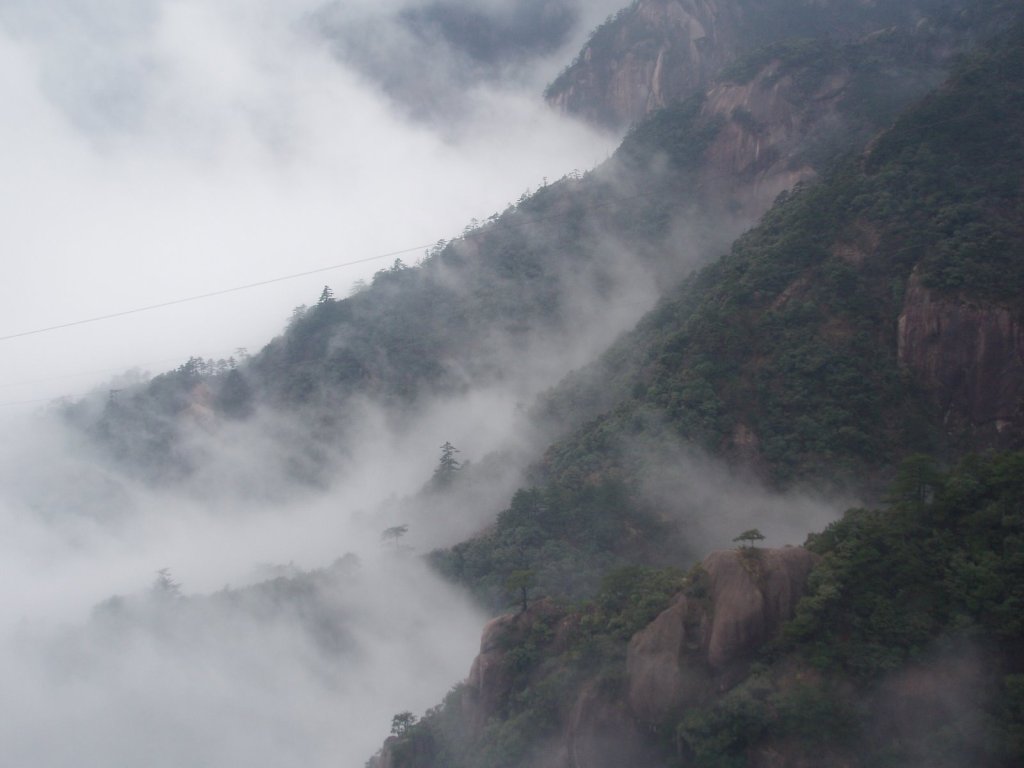
Featured photo: Huangshan (Yellow Mountain), Anhui Province, China, March 2008.


Leave a Reply