
The War of 1812 always strikes me as America’s forgotten war of the 19th century. It’s the reason I know the word “impressment,” and I remember a child’s biography of Dolley Madison recounting the story of how she saved a portrait of George Washington as the British burned the White House. Beyond that, the war seems like the British and Americans working out some lingering issues from the Revolution. A summary of issues at the heart of the clash lends support to historian Gordon S. Wood’s assertion that “The War of 1812 was the strangest war in American history.”
But in the past 18 months, I’ve been reminded that the War of 1812 was a huge conflict that resulted in fighting all around the country—it’s come up during my trips to Niagara Falls, Baltimore, and New Orleans. And a pivotal event took place on Lake Erie, now site of Perry’s Victory and International Peace Memorial. That was my first destination as I set off on a sunny Sunday morning in late August, embarking on a meandering week-long road trip from Ann Arbor to Philadelphia that would include visits to numerous National Parks along the way.
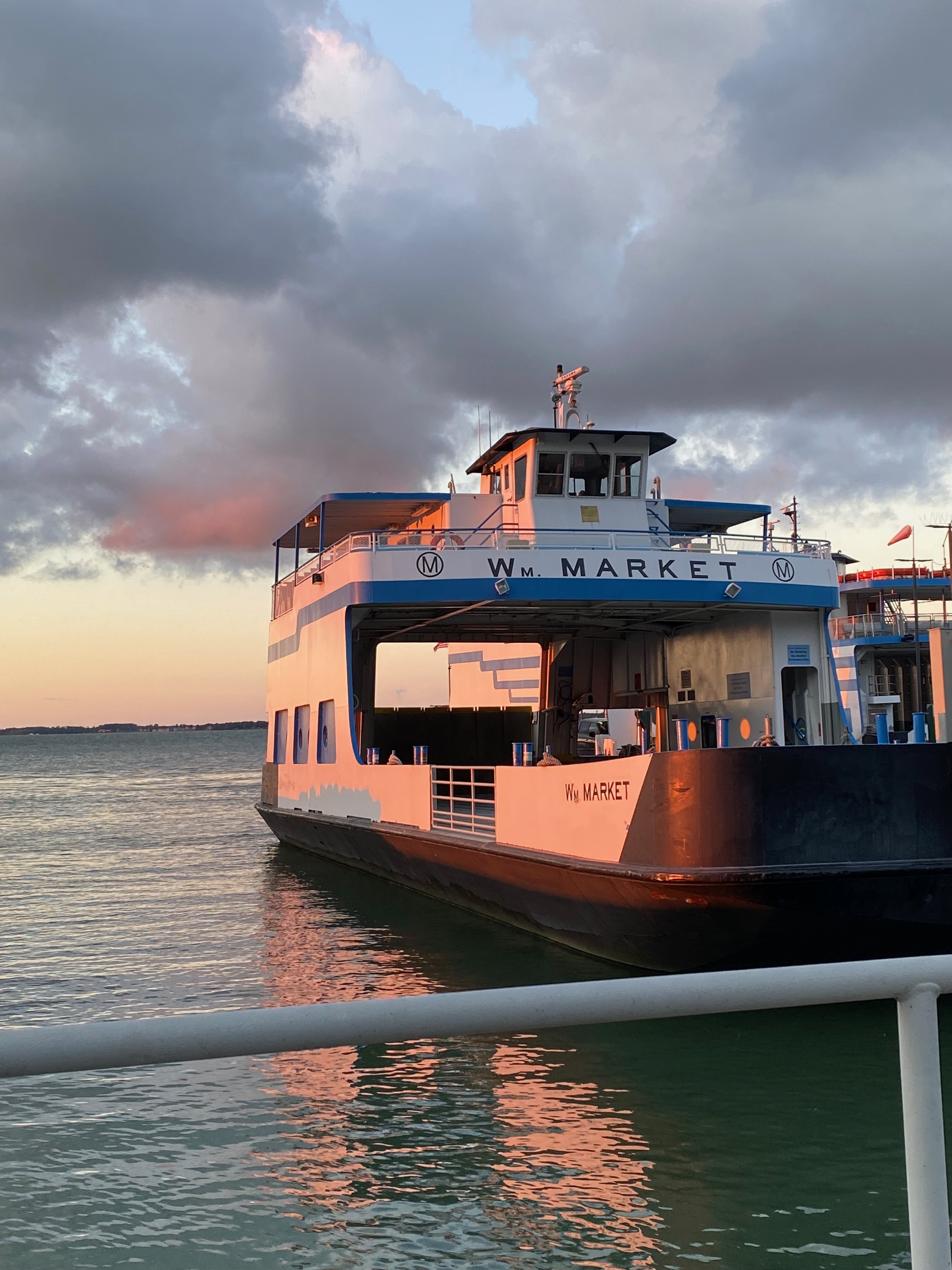
Perry’s Victory is located in Put-in-Bay, a small summer resort town that occupies the northern side of Ohio’s South Bass Island (“often called the ‘Key West of the North,’” the visitor center website says). I drove my car onto the ferry, not realizing that most people leave their vehicles on the mainland and travel around the island via golf carts rented upon arrival. Whoops.
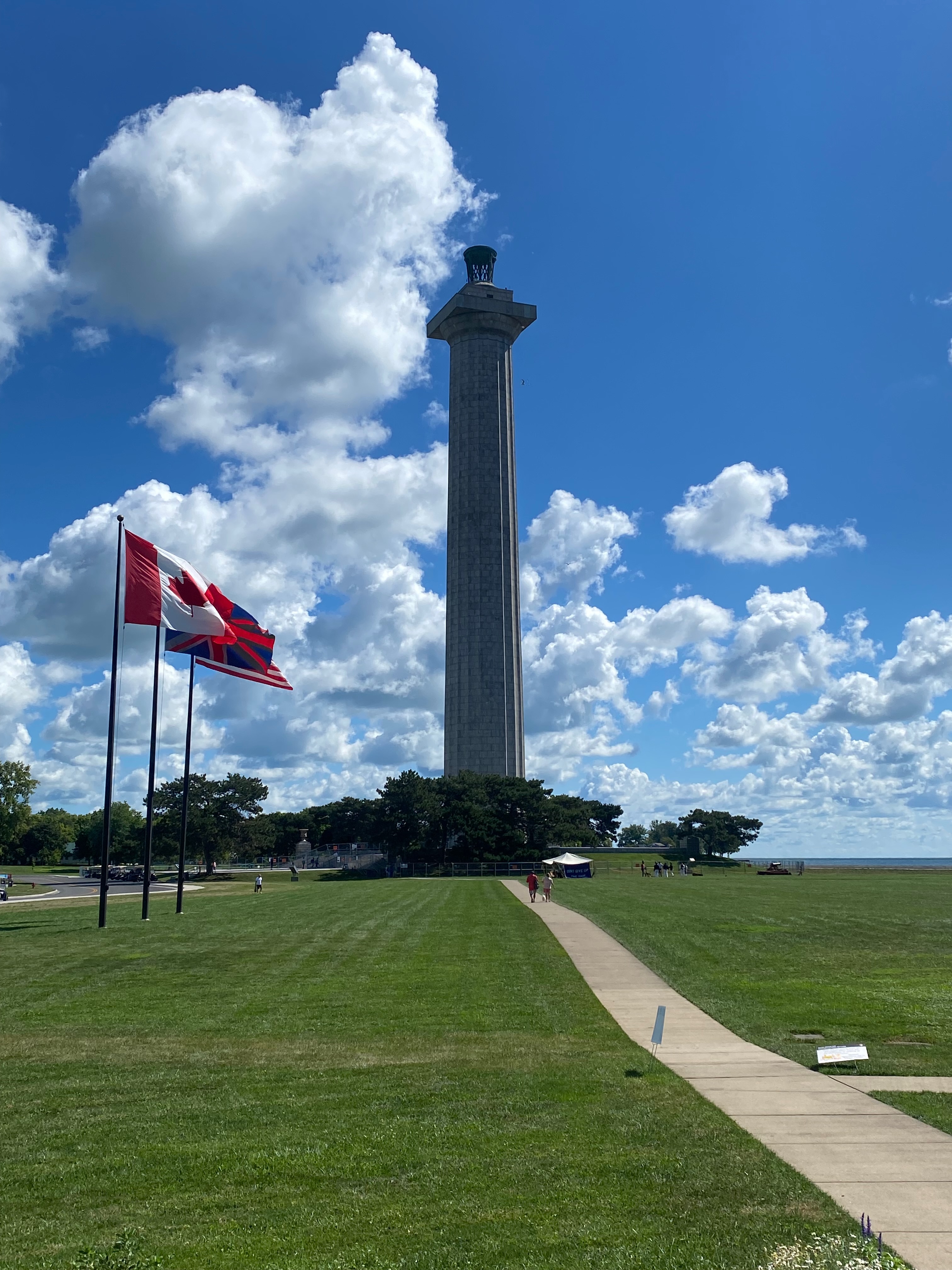
Once on South Bass Island, it’s easy to find the National Park: just look for the 352-foot-tall tower rising above everything else. I stopped at the visitor center to get a ticket for the memorial column ($10, or free with a National Parks pass), then hung out in the shade of its rotunda until it was my turn to ride the elevator to the open-air platform at the top.

On such a clear day, it seemed like all of Lake Erie was spread out before me, the park ranger pointing out tiny landmarks in the distance. The significance of Put-in-Bay during the War of 1812—the reason Oliver Hazard Perry anchored his U.S. Navy ships there—was its proximity to British-held Detroit. By stationing a squadron at this location in Lake Erie, Perry was able to cut off British supply shipments to their troops and force their hand. On September 10, 1813, British ships confronted Perry’s American fleet in the Battle of Lake Erie.
The skirmish began poorly for the Americans; after two hours of fighting, Perry had to abandon his disabled ship and board another one nearby. But the tide quickly turned against the British, who surrendered only 15 minutes later. “We have met the enemy and they are ours …” Perry wrote to future president William Henry Harrison, then commanding U.S. Army troops nearby, who would soon recapture Detroit for the Americans. Perry’s victory proved decisive for the War of 1812 in the Great Lakes region, and his rallying cry of “Don’t give up the ship” (a friend’s dying words that Perry had stitched onto his battle flag) remains a core element of U.S. Navy culture.

My time up in the tower, I headed back to the visitor center and made a circuit of the exhibit on the war and Perry’s leadership during the battle. The final section explains why this National Park is now Perry’s Victory and International Peace Memorial. By 1912, when the United States considered centennial celebrations of the war and the possibility of building a monument on South Bass Island, Britain (and Canada, which had been a British colony at the time of the war) were American allies. It didn’t seem right to shove their faces in the U.S. victory a century earlier.
So the planned monument became a marker of both conflict and reconciliation—“the only international peace memorial in the National Park System,” according to the site’s brochure. Ferries brought over 2,340 2.5-ton blocks of pink granite from the mainland, and workers moved them into position to construct the memorial tower. Although the column was mostly finished by 1915, dedication of the site didn’t occur until the full complex was finally completed in 1931. Today, annual visitors hover in the low-six-figures range, which isn’t bad for a small National Park site commemorating an often-forgotten war.
Elsewhere in Put-in-Bay
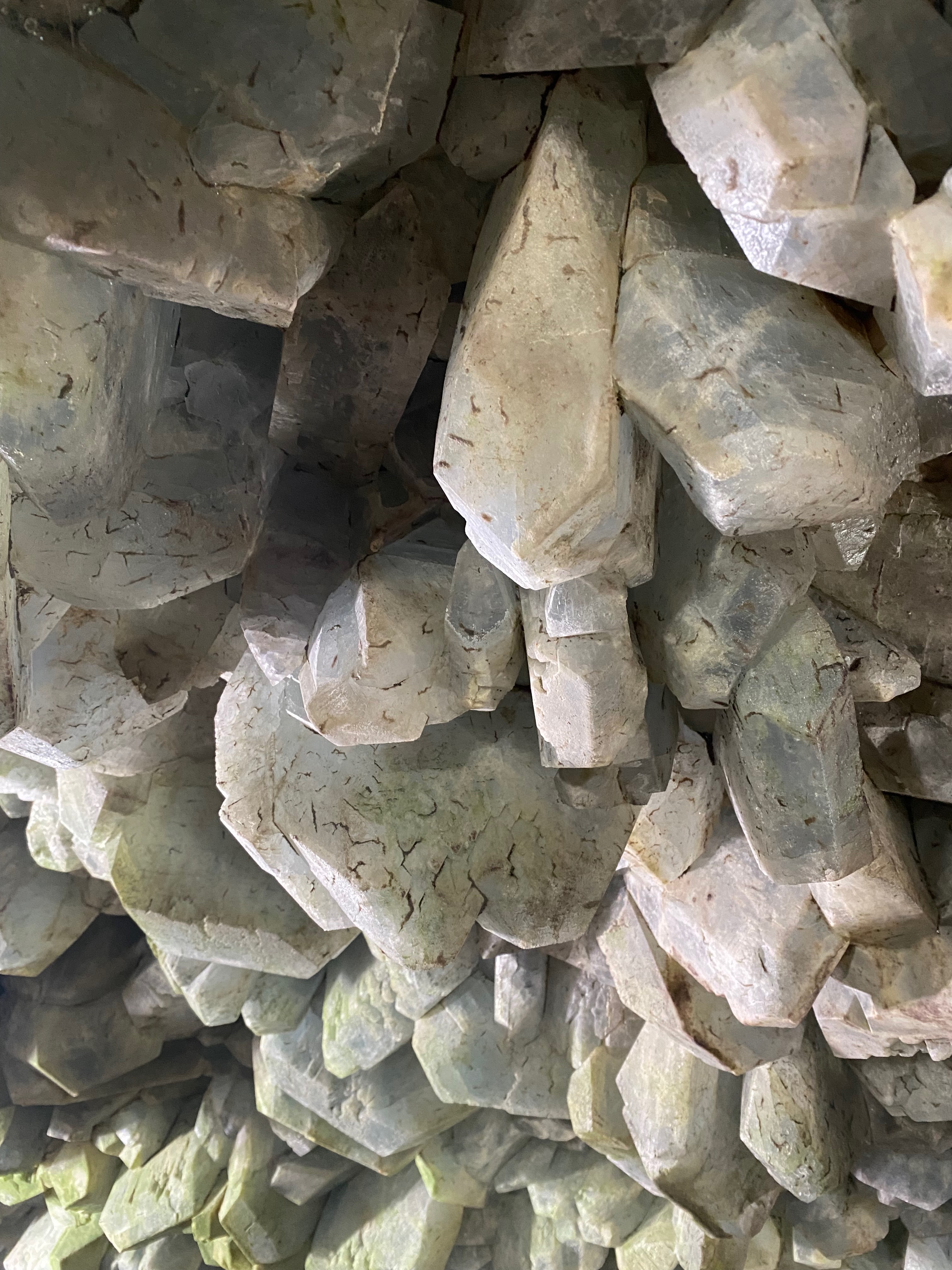
- I also visited Crystal Cave (the world’s largest geode), then settled in for the afternoon with a book and glass of Sauterne at Heineman’s Winery.
- Although I love a deal, I decided to skip the $40 helicopter rides advertised all over the island. The memorial tower was high enough off the ground for my taste.
- The Boardwalk is a huge dining complex on the water, where I had lobster bisque followed by a platter of lake perch for dinner. I wish I’d saved room for dessert.
- I stayed overnight at the South Bass Island state park campground, then got up early the next day to catch the first ferry back. It’s definitely possible to do Put-in-Bay as a day trip, but I liked not having to rush as my vacation got underway.

Featured photo: Painted rocks lining the waterfront at Put-in-Bay, OH, August 24, 2025.
 Maura Elizabeth Cunningham
Leave a comment