
Two housekeeping notes to start:

(1) If you’re in Clawson, Michigan, on Sunday, January 4, I’ll be the discussant for a talk by Joseph Torigian on his book, The Party’s Interests Come First: The Life of Xi Zhongxun, Father of Xi Jinping (read my write-up of the book from earlier this year). Tickets are free, and the restaurant hosting the talk features a Sunday brunch menu that looks really good. In other words, there’s no reason not to go.
(2) My semi-regular reminder that if you like this post and want to keep up with everything I write, you can get new posts delivered straight to your inbox by subscribing:
I don’t have any plans to move to a Substack or other newsletter-style platform—I’m not trying to monetize this writing—but subscribing will give you essentially the same experience.
Thanks for joining me this week.
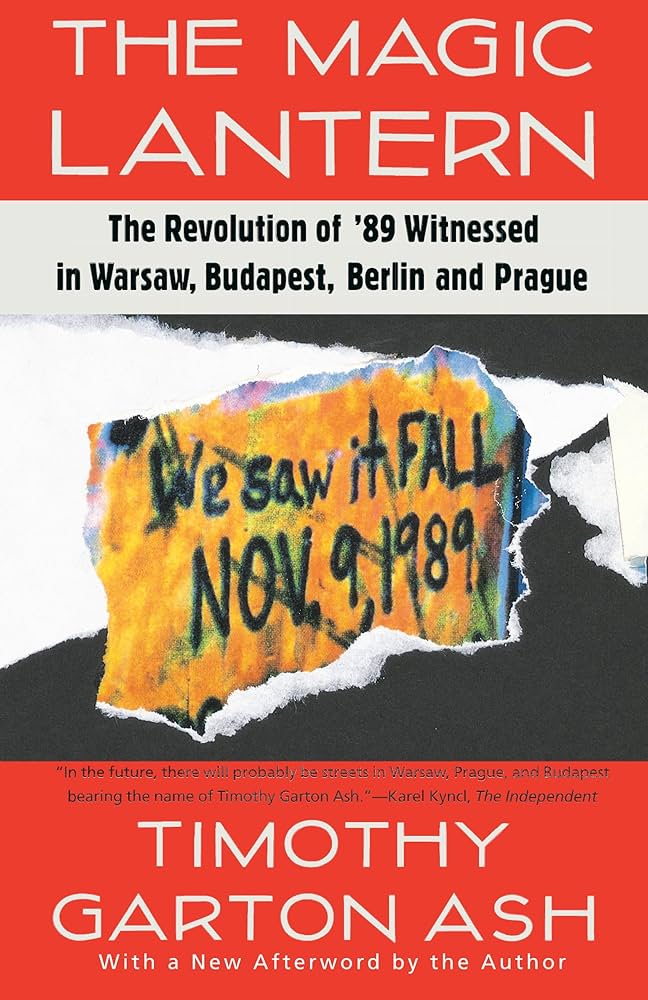
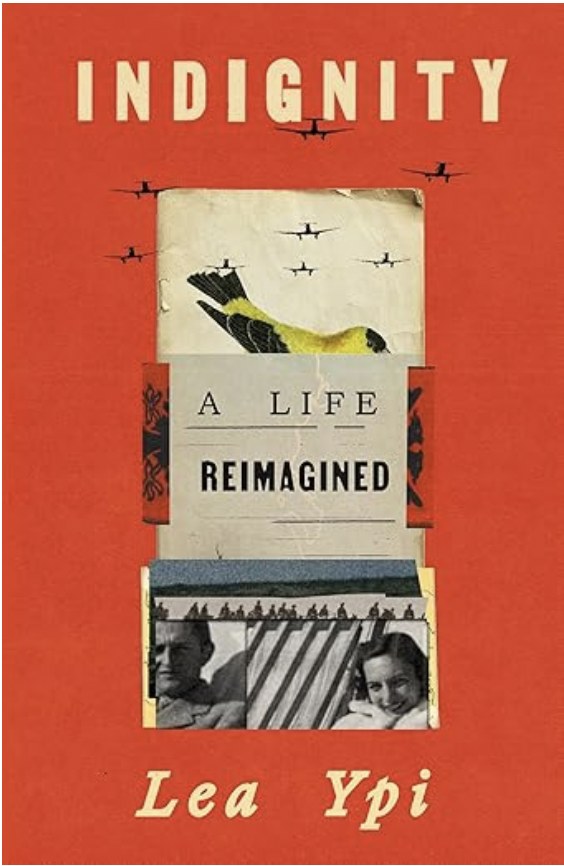
New Goodreads Reviews
This week’s theme is “Life in the Soviet Bloc”


Recommendations
China Stories
James T. Areddy, “ICE Holding Chinese Man Who Documented Uyghur Camps”
Antony Dapiran, “Silenced by China, Hong Kong struggles to voice its grief over the Tai Po fire disaster”
Those who were affected by the [Hong Kong] fire lost not only their lives or the lives of their loved ones, but also their life savings and the last remaining glimpse of hope and trust they might have had in a government that has collaborated with global and state capitalism, ignored their calls for a veto of the disaster-leading building renovation project in the first place, and now refuses to investigate the issue independently. As one resident told the media: ‘The National Security Law ensures the security of the nation, what about the security of its people?’
— Ting Guo, “The Distance Between Us”
Arthur Kaufman, “What Is the Purpose of ‘China-Watching’ in the United States Today?”
Howard Zhang, “The Slow Unravelling of the BBC Chinese Service”
You won’t find women’s wisdom in CCP propaganda, or in the male-written histories of China. But feminists who understand the Party know that the emancipation of Chinese women was never a benevolent gift handed down from male leaders on high. It was hard-won, claimed through strategic struggle and negotiation by feminists within the Party. Whenever I study the history of women’s movements in socialist China, I’m struck by the peril of their position, and at the same time deeply moved by their resilience. Amid low productivity, scarce resources and the weight of entrenched patriarchal traditions, these women dared to propose progressive visions such as childcare benefits, equal pay for equal work and women’s participation in public and political life. Yet in implementation, these ideals were often compromised. It is heartbreaking to witness the gaps between vision and reality.
— Zheng Churan, “Logging Unpaid Hours”
Zheng Xiaoqiong, translated by Eleanor Goodman and introduced by Kaiser Kuo, “The Makers of Modern China”
Wanderings Around the World
Saeed Al-Batati, “A Yemeni Maestro’s Mission To Reinvent His Country’s Music”
But even with seemingly insatiable demand for the soft, warm fiber, Mongolia’s herders are on the brink. The grasslands that once supported thousands of families with herds of yak, horses and sheep have been ravaged by the roughly 22 million cashmere goats that herders keep to meet market demands. The intensification of goat herding has caused overgrazing and accelerated soil degradation. In the span of just 30 years, cashmere has turned into an ecological disaster for Mongolia.
— Aïda Delpuech, Sara Manisera, and Daniela Sala, “‘Sustainable’ Cashmere Won’t Save Mongolia’s Steppe”
Dalia Parete, “Reporting Under Pressure in Cambodia”
Rebecca Tan, “Deported from the U.S. in 2018, he’s trying to help others survive exile”
Standout Story
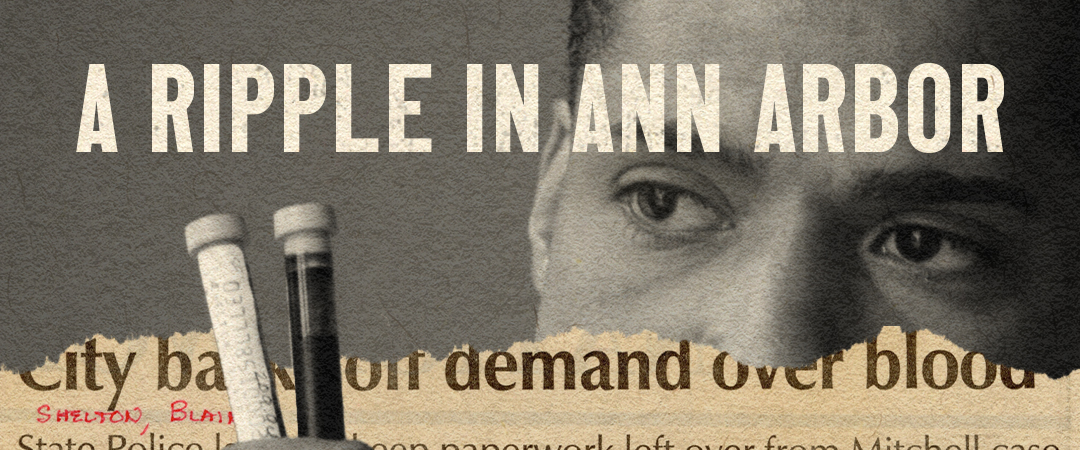
Originated and produced by Ann Arbor City Council Member Cynthia Harrison, the short documentary film A Ripple in Ann Arbor tells the story of the search for a serial rapist in Ann Arbor in the 1990s, the unfocused and invasive tactics used by police to find the perpetrator, and the innocent man who took the city to court to expose these tactics and reclaim his dignity, weaving interviews with people who lived these events with primary source materials.
— A Ripple in Ann Arbor (video)
Featured photo: At the National Museum of Asian Art, Washington, D.C., January 7, 2018.
 Maura Elizabeth Cunningham
Leave a comment