
As Willy Wonka said, “We have to get on, we have to get on! We have so much time and so little to do—scratch that, reverse it. This way, please!”
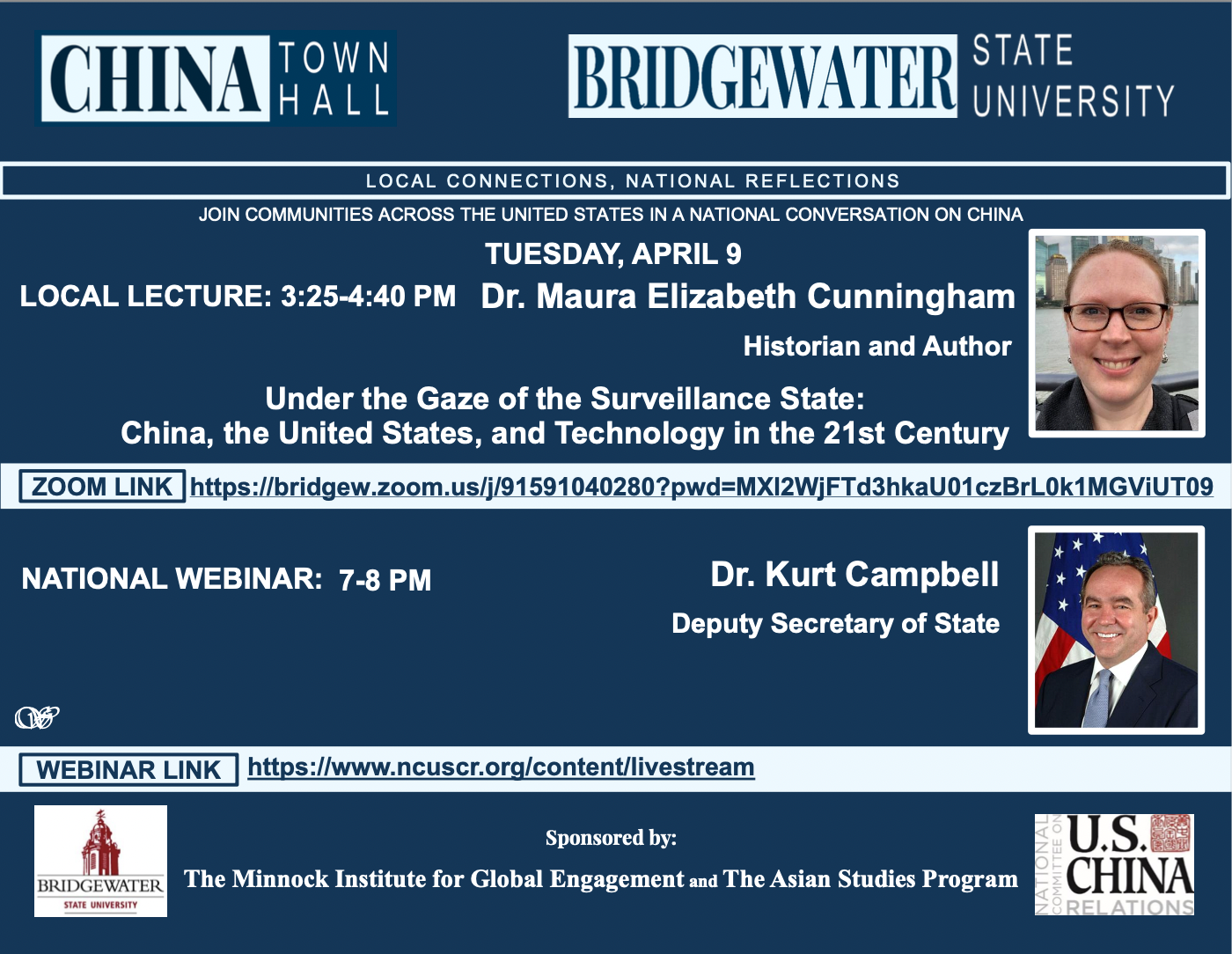
First, I’m giving a virtual talk on Tuesday afternoon (Eastern Time) as part of the CHINA Town Hall program organized by the National Committee on U.S.-China Relations. I’ll be speaking “at” Bridgewater State University on technology, surveillance, and politics in China and the United States:
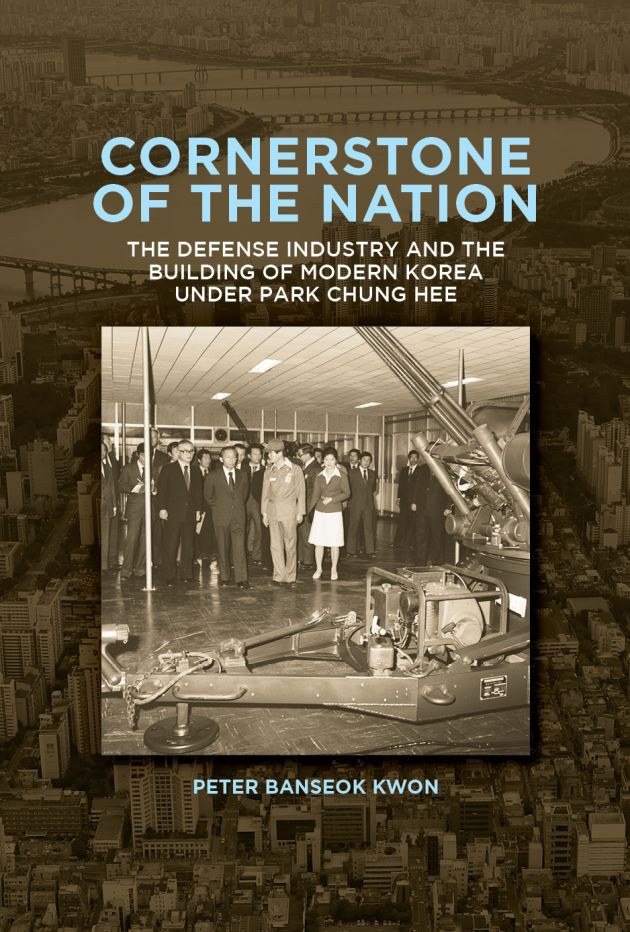
At the AAS #AsiaNow blog, I interviewed historian Peter Banseok Kwon about his new book, Cornerstone of the Nation: The Defense Industry and the Building of Modern Korea under Park Chung Hee.
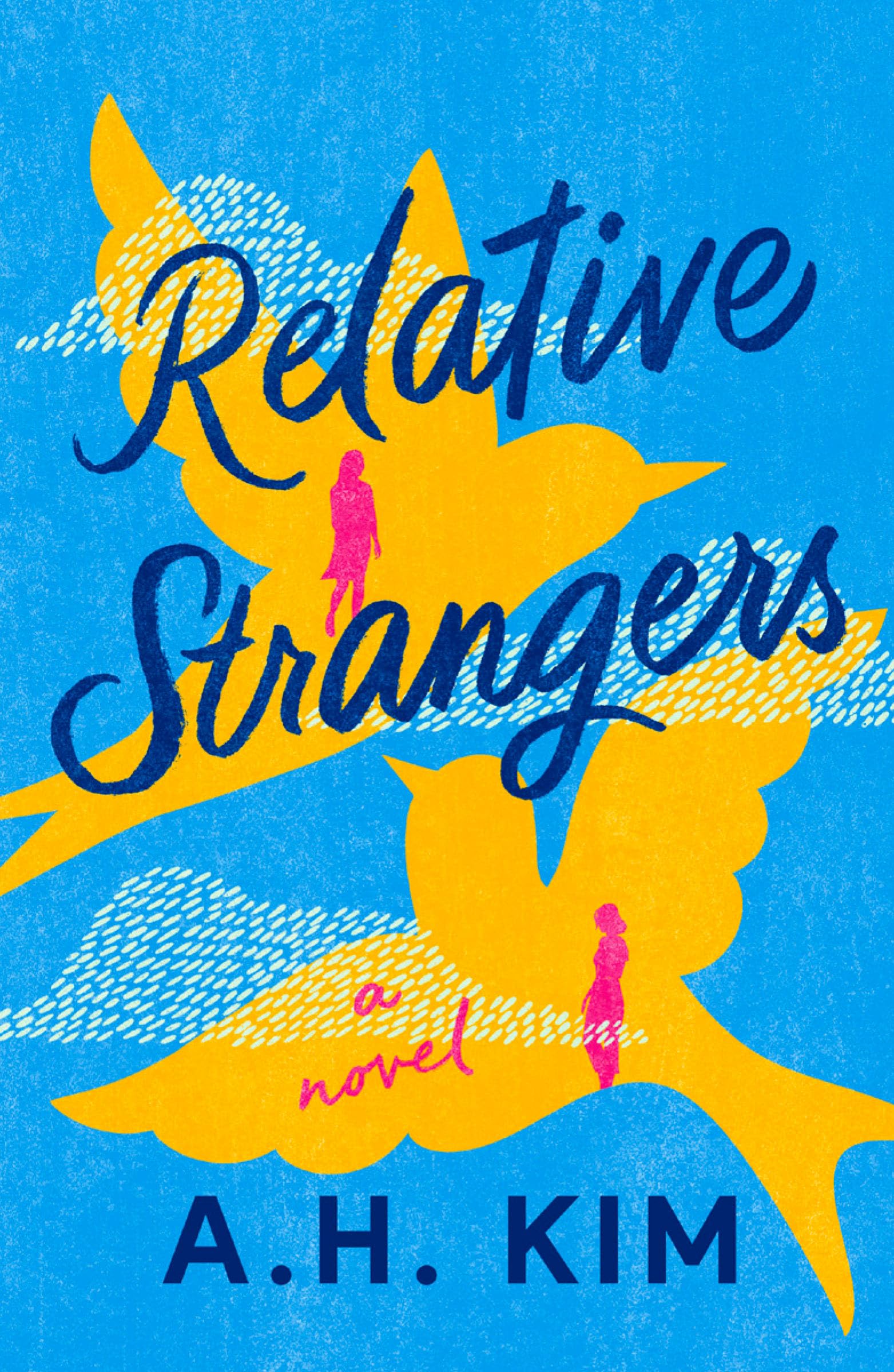
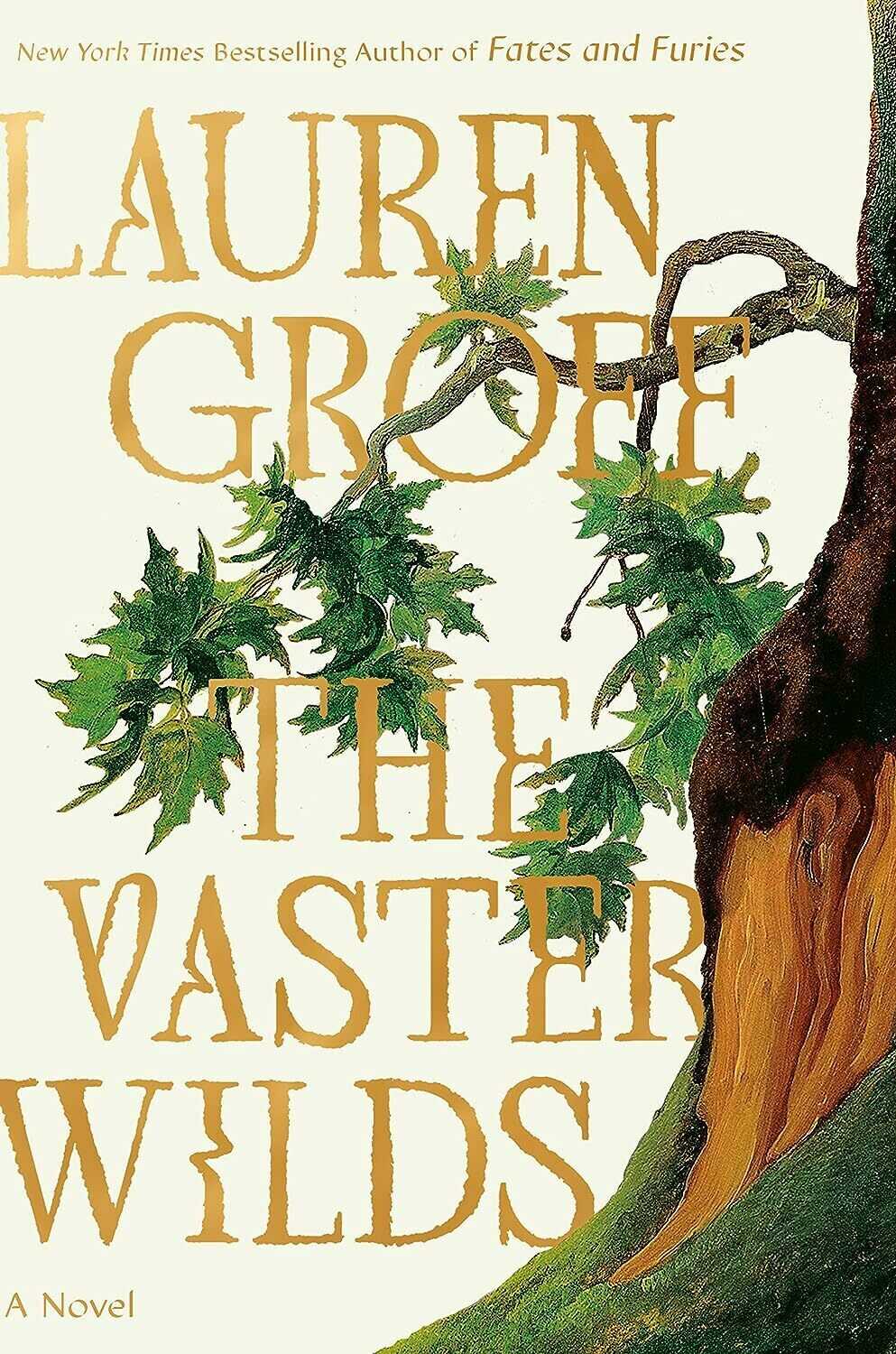
My recent Goodreads reviews, featuring a trio of excellent novels:

I’ve also finally caught up (well, more caught up than I have been) with my inbox and open tabs, so this week’s recommendations are wide-ranging and numerous. I hope everyone finds something to read and enjoy in the links below.
Recommendations
China Stories
Tania Branigan, “Netflix’s 3 Body Problem is sci-fi. But beyond the alien threat lies the trauma of modern China”
Darren Byler, “Xinjiang Authorities Are Retroactively Applying Laws to Prosecute Religious Leaders as Criminals”
Antony Dapiran, “In-Between City”
… princelings might yet determine China’s future. They still permeate the management of state-owned enterprises (SOEs) and financial firms, as well as the armed forces’ officer class. In these institutions, family connections matter. Power is transmitted through formal mechanisms, yet its origins are often hazier, involving networks tied to bloodlines. This has big implications. When Mr Xi leaves the political scene, red families will have the wealth, prestige and military ties that could enable them to shape what comes after. The next ruler may not be a princeling, but the clans may be kingmakers.
The Economist, “How China’s political clans might determine its future”
Emily Feng, “Marijuana farms are increasingly Chinese-run. Why?”
Peter Hessler, “How Chinese Students Experience America”
Tiffany Hsu and Steven Lee Myers, “China’s Advancing Efforts to Influence the U.S. Election Raise Alarms”
Martin Laflamme, “From Aspiration to Constriction: On Three New Books Examining Change in China”
David Pierson, “The Bizarre Chinese Murder Plot Behind Netflix’s ‘3 Body Problem’”
Han Tse, “Safe but solitary: The man who helped Hong Kong’s asylum-seekers connect with each other and the community”
Chinese companies have significant incentives to use North Korean workers. They’re typically paid only a quarter of what local employees earn. And they are generally excluded from mandatory social-welfare programs (regarding retirement, medical treatment, work-related injury, and maternity), which further reduces costs. In 2017, Dandong’s Commerce Bureau announced a plan to create a cluster of garment factories that would use North Korean labor. The bureau’s Web site noted that all such workers undergo political screenings to make sure they are “rooted, red, and upright.”
Ian Urbina, “Inside North Korea’s Forced-Labor Program”
Wanderings Around the World
Keisha N. Blain, “Tenuous Privileges, Tenuous Power” — interview with historian Amrita Chakrabarti Myers about her 2023 book, The Vice President’s Black Wife: The Untold Life of Julia Chinn
Stefanos Chen, “Anger in Chinatown Over a Huge Jail Project: ‘We Are the Dumping Ground’”
Marta Kasztelan, “An ex-diplomat and king’s head: Inside the secret global trade of Asian art”
There is a pleasure in being underground that most people feel a little, or in part: It’s quiet, and peaceful, and cool. One gets a sense of how deeply compressed the effects of time become under the earth, in a way that is easy to forget on the surface. But you have to have a reason to keep going back there. It’s easy enough to understand how the idea of a shortcut could serve as a plausible motive for the first ten years or so of a dig. When you dig beyond all purpose; digging becomes the purpose.
Daniel M. Lavery, “Tunnel Vision”
Terrence McCoy, with photos by Rafael Vilela, “The underwater hunt for the lost ship of an American slave trafficker”
Ed O’Laughlin, “A New Chapter for Irish Historians’ ‘Saddest Book’”
Anne Helen Petersen, “Lose Yourself In This Interview” — interview with writer Hanna Pylväinen, author of The End of Drum-Time, one of my favorites in 2024 so far (my Goodreads review)
Margaret Scott, “Indonesia’s Corrupted Democracy”
Standout Story
Amy Elliott Bragg, “The Public Astronomers of Early Detroit”
Before tomorrow’s solar eclipse, take a look back at the practice of astronomy in Detroit at an earlier time. Amy Elliott Bragg’s “Little Detroit History Letter” is one of my favorite ways to learn about little-known-episodes and interesting figures in the city’s past, like these amateur astronomers at the turn of the 20th century, a time when it was possible for a newspaper to list everyone in the city who owned a telescope.
Featured photo: Launch party at Literati Bookstore for Relative Strangers by A.H. Kim, April 2, 2024. Listen to Kim talk about the book in a recent interview on the Michigan Public Stateside podcast.
 Maura Elizabeth Cunningham
Leave a comment