
Yesterday marked two years since the Russian invasion of Ukraine. I don’t have anything deep or profound to say about that, except: the reality of living through two years of fear, uncertainty, danger, death, loss, and struggle is something that I know I cannot understand from afar. I try—through reading and listening to the people reporting directly from the country—and look for ways to support the Ukrainian people with the means that I have, such as by asking my Senators and Representative in Congress to pass more funding for Ukraine.
Below is a special selection of stories about Ukraine that have been published around this somber anniversary. I’ll also re-recommend a book I wrote about last fall, The War Came to Us: Life and Death in Ukraine, by journalist Christopher Miller.
Timothy Garton Ash, “‘Not losing’ is not enough: it’s time for Europe to finally get serious about a Ukrainian victory”
Claire Harbage, “Photographing Ukraine’s deep scars, 2 years into a war without an end in sight”
Luke Harding, “‘It’s the new normal’: in Kyiv’s newest book store, readers fear how Ukraine’s story will end”
In March 2023, Putin visited Mariupol. Widely reported in Russian and western media, the trip attempted to normalise control of the region. He toured rebuilt sites, as well as the newly constructed Nevsky neighbourhood on the city’s western edge. A video published by the Kremlin showed Russia’s president meeting happy residents. In the background, a woman can be heard shouting: “It’s not real! It’s all for show!” The shouting was quickly edited out.
Polina Ivanova and Alison Killing, “Inside Mariupol: Russia’s new Potemkin village”
Polina Lytvynova, “I’m a Ukrainian journalist. I never expected to be a war reporter in my own country”
Cristina Maza, “‘A question of our existence’: After years of war, where does Ukraine stand today?”
Jędrzej Nowicki and Anne Applebaum, “Ukraine’s Shock Will Last for Generations”
Joes Segal, “Ukraine’s War of Art”
Shaun Walker, with photographs by Kasia Stręk, “A train through Ukraine: a journey into the stories of two years of war”
Recommendations
China Stories
Amy Hawkins, “‘Little by little, the truth is being discovered’: the archive rescuing China’s forbidden films”
Laura He, “Preparing for war, social unrest or a new pandemic? Chinese companies are raising militias like it’s the 1970s”
Mary Hui, “China wants more control of its mass surveillance system”
David Ma, “To Become a Lion”
Paul Mozur, Keith Bradsher, John Liu, and Aaron Krolik, “Leaked Files Show the Secret World of China’s Hackers for Hire”
Vivian Wang and Claire Fu, “‘Shawshank’ in China, as You’ve Never Seen It Before”
Li Yuan, “Émigrés Are Creating an Alternative China, One Bookstore at a Time”
Wanderings Around the World
Charlotte Lydia Riley, “Male historians explain things to me: Masculinity, expertise, and the academy”
Michael E. Ruane, “Rare armor unearthed at site of 17th-century fort in Maryland”
Sophia Saliby, “A researcher unearths the shared history of African Americans and the nation’s forests”
This Black History Month, I want to celebrate the love stories tucked away in the archives of the 19th century and the couples like Eliza and Miles who held on, against the odds. I write about slavery and its legacies, and these stories glimmer like gems in rocky soil, highlighting the humanity that endures even during the darkest of times.
Rachel L. Swarns, “A Love Story That Endured Through Slavery”
Standout Story
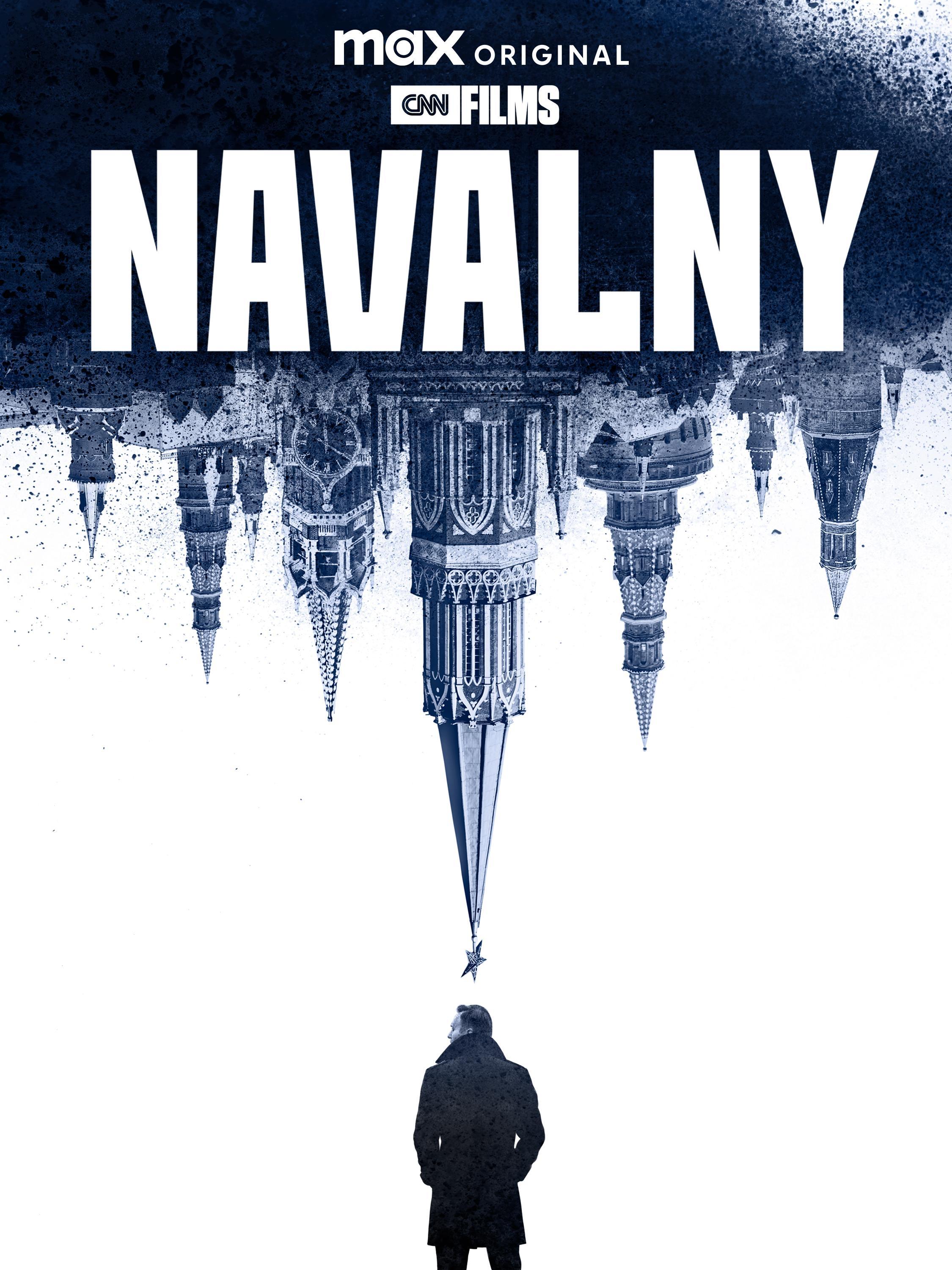
Navalny documentary
Last night I watched the Oscar-winning 2022 HBO/CNN documentary Navalny, which follows Alexei Navalny as he recovered from a near-fatal poisoning in 2020 and worked with a journalist from Bellingcat to uncover the Russian state agents responsible for the attack on his life. Tall, handsome, charming, and intense, Navalny exudes charisma in the film—it’s easy to understand why he drew in so many followers, and what a loss his February 16 death represents for the possibility of an alternate path in Russian politics.
Last week I linked to a few stories about Navalny’s death; here are several more worth reading:
Alexander Clarkson, “Putin May Never Pay for Navalny’s Death. Russia Will”
Francesca Ebel, “Even after his death, Russian authorities aim to repress support for Navalny”
Amy Mackinnon, “Alexei Navalny Wanted to Make Russia a ‘Normal Country’”
The regime’s great aspiration is to resuscitate the USSR. Russia is ruled by people who made their careers and lived their lives within the Soviet KGB. Their dream of restoring the country of their youth is being realised before our eyes. It is a land where the population obediently lays its head on the executioner’s block, sighing that, of course, the tsar knows best. It is a land where there is no place for a Navalny, or for young people who want to live their lives not in the gulag, but in freedom.
Mikhail Shishkin, “The Navalny I knew was naive about Putin’s Russia, but he gave us hope. We are his hope now.”
Joshua Tucker and respondents, “Alexei Navalny has died. What is his legacy?”
Sasha Vasilyuk, “Navalny’s death extinguished the last hope I had for my former home”
Feature Photo: A house in Ann Arbor, MI, its trees decorated with Ukrainian flags and large papier-mâché pysanky eggs for Easter, April 11, 2022.
 Maura Elizabeth Cunningham
Leave a comment