
Yesterday I got to attend a preview of a new exhibit at the Detroit Institute of Arts, “Regeneration: Black Cinema, 1898-1971.” Previously on display at the Academy Museum of Motion Pictures in Los Angeles, “Regeneration” is now in Detroit until late June, and I hope it will travel to museums elsewhere. Telling the many stories of seven decades of Black involvement in film arts, this exhibit is a thoughtful and thought-provoking examination of Black contributions to the industry despite the formidable obstacles of structural and overt racism.
I have pages of notes from both the exhibit and the lecture I attended by co-curator Rhea Combs, but decided to forgo a full review and instead share some of the elements that struck me the most:
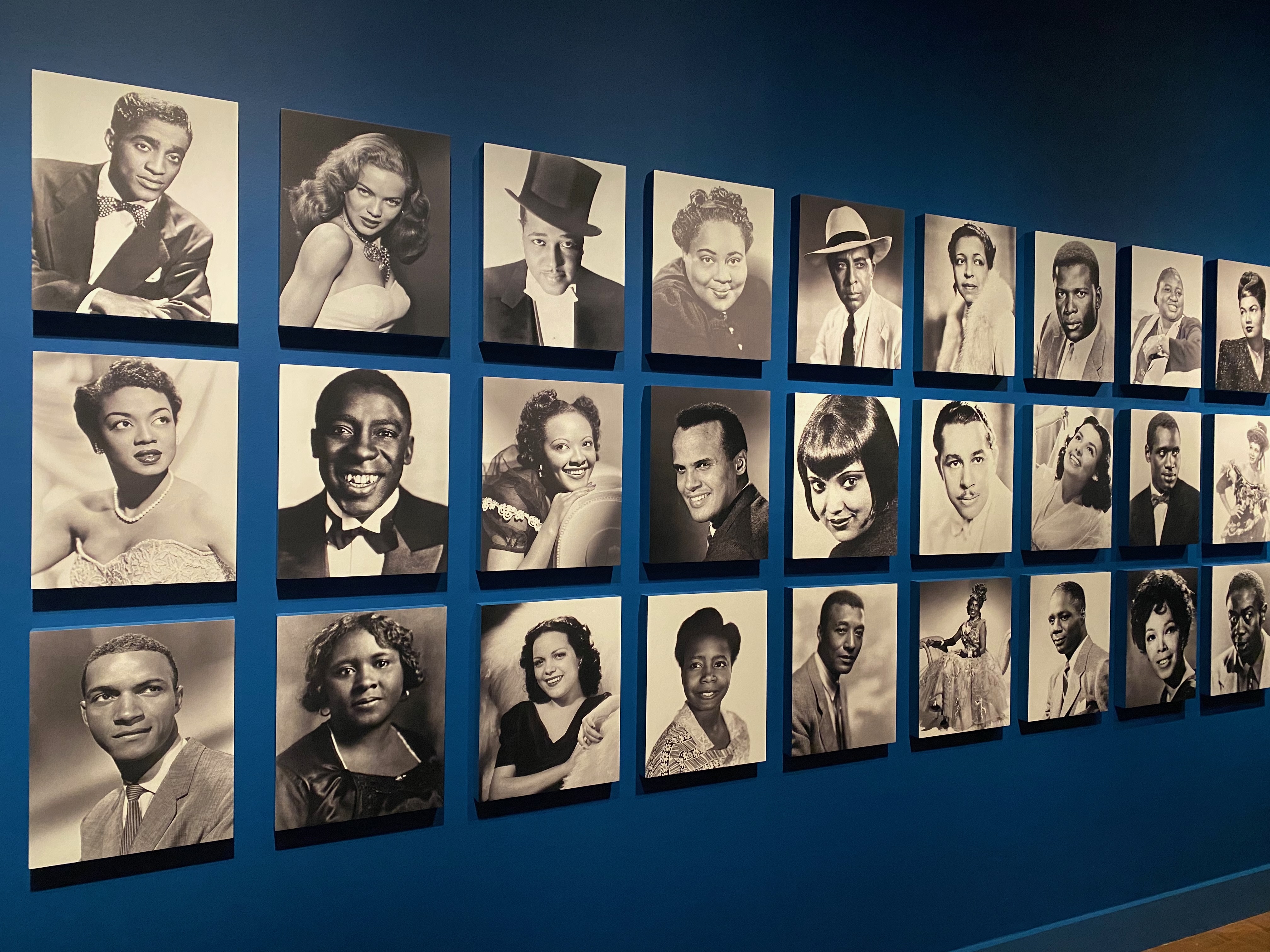
- There are famous names scattered among the exhibit showcases—Lena Horne, Josephine Baker, Harry Belafonte, Sidney Poitier—but the best parts of “Regeneration” cover the movies and people who aren’t well-known today. I especially appreciated one series of clips, playing near the poster wall pictured above, that showcased the range of genre movies created by Black production companies from the 1910s through 1940s. Film noir, slapstick comedy, musicals, Westerns, cheesy sci-fi horror … this exhibit has it all, from serious auteurs to low-budget productions and even home movies.
- The exhibit itself mixes genres, featuring not only a wealth of movie clips and still images from productions but also pieces of contemporary art that enhance the overall message of the displays they complement. There’s also an array of material artifacts, from a sparkling gold gown Lena Horne wore in Stormy Weather to a Soundie “movie jukebox.”
- Of course, the history of Black cinema is not all gold gowns and glamor. To establish the context of what Black artists faced in the early film industry, “Regeneration” includes examples of the racist works put out in the early 20th century, such as minstrel shows and Birth of a Nation. A small compact of Max Factor “Black (Minstrel)” pancake makeup on display drove home the point that having white performers wear blackface was a recognized and institutionalized—and profitable—part of the entertainment world.
- I knew that Hattie McDaniel was the first African American to win an Oscar, but I had not known that she won that award in a segregated room at LA’s Ambassador Hotel, seated at a table far away from her Gone With the Wind costars. Details like that are one area where I wish the exhibit had gone just a bit further with its captions and text—Combs mentioned it during her talk, and then when I saw the exhibit I knew to look at photos of the hotel ballroom more closely to spot McDaniel at the very edge of the crowd.
- “Regeneration” concludes in 1971, just after the height of the civil rights movement and prior to the emergence of Blaxploitation movies. For the civil rights era, the curators put two screens next to each other in a corner; they alternated playing film clips, with one screen showing only documentary works and the other showing fictional ones. Together, the two halves of this montage demonstrated how discrimination and civil rights were discussed in movies primarily intended to entertain, as well as how filmmakers depicted the movement in documentaries primarily intended to inform. But documentaries are often artistic, and popular films often reflect what’s happening in the world, so playing these clips side-by-side shows how both form and content can overlap in unexpected ways.
- This stunning dance routine by Fayard and Harold Nicholas (with an intro by Cab Calloway) from Stormy Weather always deserves to be shared:
Those splits on the stairs. Ouch.
If you’re in Detroit this spring, or if “Regeneration” comes to a museum in your area, I highly recommend making a point to visit the exhibit. It’s entertaining, educational, and covers important aspects of American history that are still not well enough known.
Recommendations
China Stories
Rebecca Feng, “A Year Ago, a Star Banker Was Detained in China. He Has Just Resigned.”
Nick Frisch, “‘It’s Too Convenient to Say That Xi Jinping Is a Second Mao’: A Q&A with Chun Han Wong”
Mary Hui, “China wants ‘new quality productivity.’ What does that even mean?”
Michael Kovrig, “China’s abductions of foreign nationals should carry costs and consequences”
Almost everyone in China agrees that the economy isn’t doing well. But the reasons behind their pessimism are different from those posited in the West. They think the potential for growth is high, and they are less concerned by structural factors — demography, debt, export controls — that Western analysts obsess over. Instead, some feel that China might be stuck in a trap of its elites’ own making, where the successes of the China model in recent years could counterintuitively create the most problems in the future.
Mark Leonard, “Sunset of the Economists”
Lingua Sinica, “How Taiwan’s Media Covered Its Presidential Election”
Daisuke Wakabayashi and Claire Fu, “China’s Censorship Dragnet Targets Critics of the Economy”
Vivian Wang and Tiffany May, “Hong Kong Pushes New Security Law to Root Out ‘Seeds of Unrest’”
Wanderings Around the World
Ray E. Boomhower, “The Journalist Who Photographed the Burning Monk” — Content warning: the article includes graphic descriptions of Thich Quang Duc’s death
Rachel Monroe, “Is There Hope for the Missing and Murdered Indigenous Women?”
Maasai societies are highly patriarchal, and governance of the conservancies has typically fallen to men. Now, however, a new generation of women are taking up leadership roles and guiding jobs, and Ripoi is one of the few conservancies in the greater Mara ecosystem where women hold administrative rights: making decisions on cattle grazing zones and financial matters, and discussing employment opportunities – including whether jobs go to women.
Peter Muiruri, “‘We said, there must be ladies’: the pioneering Maasai women ending all-male leadership of the land”
Hailey Salvian, “How the PWHL’s youngest player is adjusting to a new league — and a new language” — profile of Akane Shiga, the only player from Japan in the new Professional Women’s Hockey League
Zachary Small, “Rubin Museum, Haven for Asian Art, to Close After 20 Years”
Standout Story
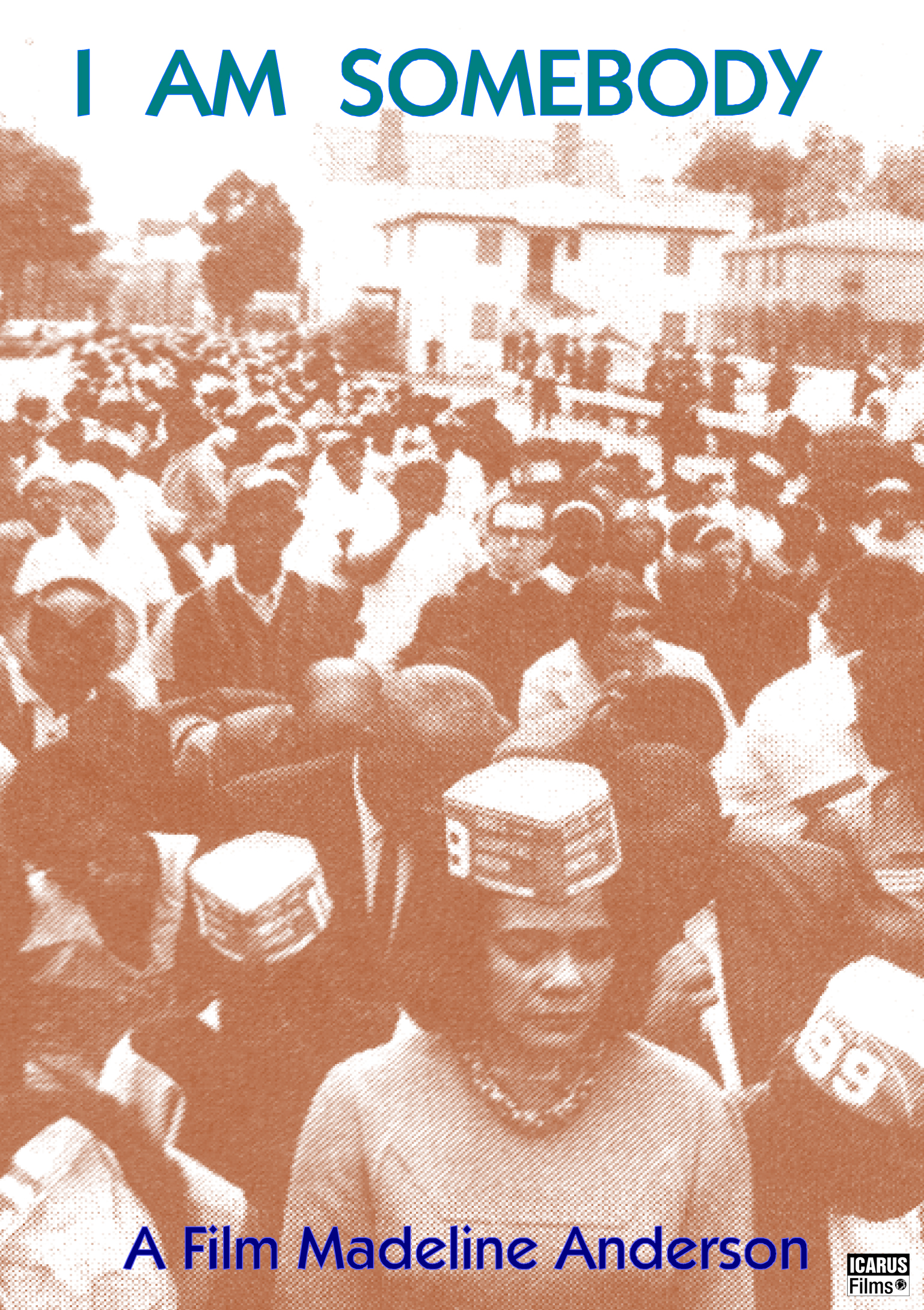
In the last room of “Regeneration,” five screens play short clips from various movies made by Black filmmakers in the early 1970s. The bit I saw of I Am Somebody, released in 1970 by documentary filmmaker Madeline Anderson, piqued my interest, so I rented the movie through Amazon today. In only 30 minutes, Anderson shares the story of a landmark 1969 strike by 400 hospital workers in Charleston, South Carolina—all but 12 of whom were women, and all of whom were Black. Fighting for both higher wages and the respect of hospital administration, the workers drew in members of the entire local Black community, as well as famous figures like Ralph Abernathy and Coretta Scott King, to join their protests. At every turn they faced deliberately obtuse white men in hospital administration and the state government, as well as threats of violence and arrest from the masses of law enforcement officials who lined the streets of Charleston. After more than three months of struggle, the hospital workers won their fight.
Feature Photo: A wall of movie posters at the “Regeneration: Black Cinema, 1898-1971” exhibit, Detroit Institute of Arts, February 3, 2024.
 Maura Elizabeth Cunningham
Leave a comment