
Joe Biden and Xi Jinping met in San Francisco last Wednesday—Xi’s first trip to the United States in six years, and the first meeting between the two leaders in exactly one year. Everyone seemed to have low expectations for this interaction, and the two sides met them, reaching a couple of modest agreements to work together on addressing climate change, stopping the flow of fentanyl, and resuming military-military talks. At a dinner of business leaders, Xi also suggested the U.S. might get some more pandas to replace the three that just left Washington, D.C.’s National Zoo.
This trip was all about maintaining a relationship and keeping the lines of communication open so the U.S. and China can pursue more tangible outcomes in the future. As Evan Osnos wrote in a quick analysis at the New Yorker,
Nobody should expect diplomacy between the U.S. and China to return to the performative, if misleading, good cheer of a generation ago. In a sign of continuing trouble ahead, the Chinese state media reported that Xi had told Biden it would take “concrete actions,” not just talk, to defuse fears that America is backing an independent Taiwan. For now, Biden’s goal is modestly realistic: avoid the dangerous silences that allow suspicions and resentments to grow.
“Biden and Xi’s Blunt Talk”
A cordial and moderately productive meeting counts as a win in U.S.-China relations these days.
More on Xi and Biden:
Andrew Restuccia, Charles Hutzler, and Lingling Wei, “Biden, Xi Jinping Dial Back Rancor in Summit to Stabilize Ties”
David Sacks, “Meeting Low Expectations: Analyzing President Biden’s Summit with Chinese President Xi Jinping”
Jeremy Wallace, “Back to face-to-face: What you need to know about the Biden-Xi summit”
Vivian Wang and David Pierson, “In Talks With Biden, Xi Seeks to Assure and Assert at the Same Time”
Graham Webster, “‘Anyway, we made progress’: Tech and climate in yesterday’s Biden-Xi meeting”
Robin Wright, “What Comes After Panda Diplomacy?”
“Watch Blinken’s reaction when Biden calls Xi a dictator”
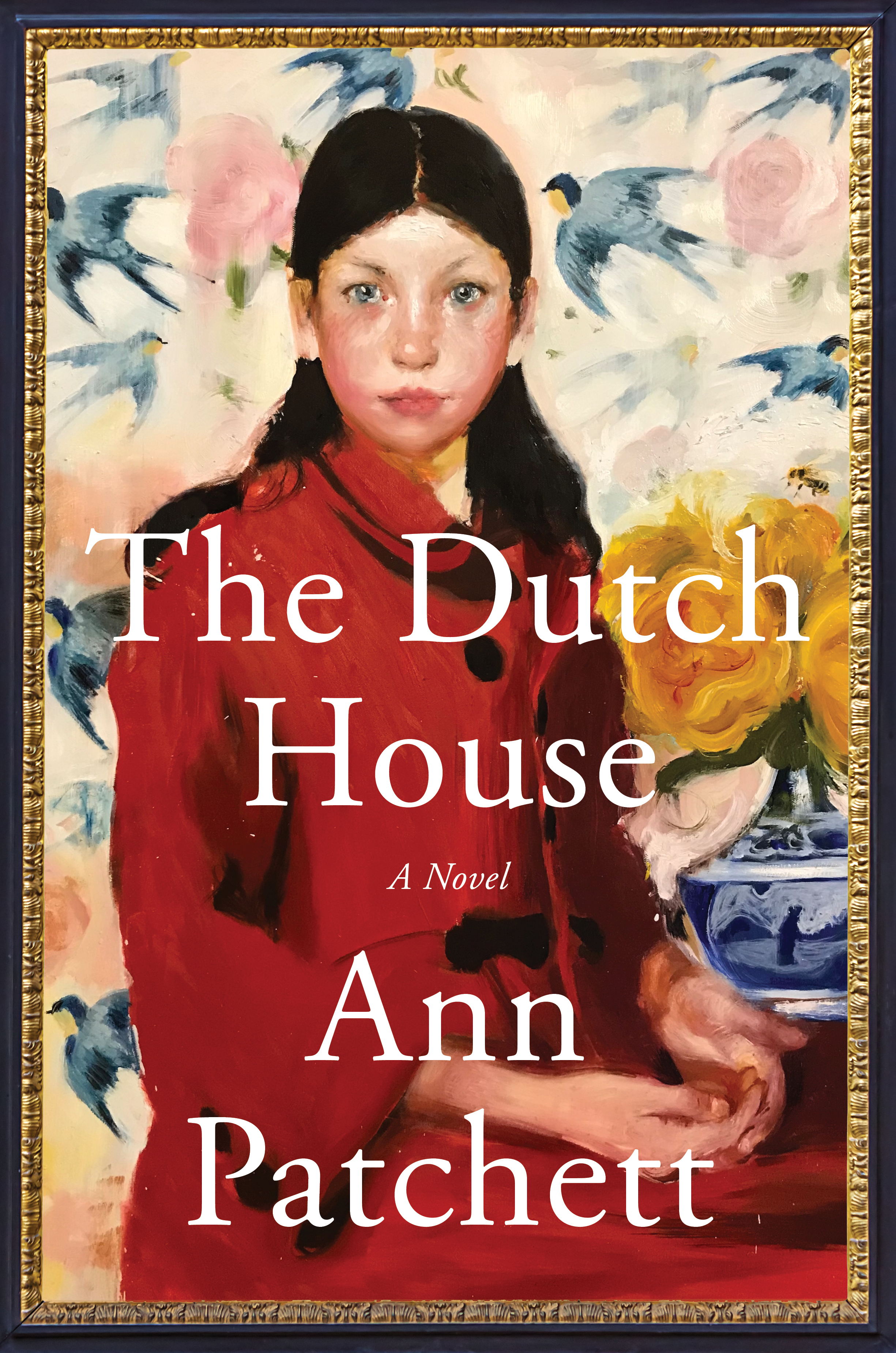
I read a trio of Ann Patchett novels last weekend and posted a short review of each at Goodreads:


Recommendations
China Stories
Dexter Filkins, “Crossing the Taiwan Strait with the U.S. Navy”
Andrew Kipnis, “The ghosts haunting China’s cities”
Rana Mitter, “The Shadow of Chiang Kai-shek”
John Ruwitch, “She studies ‘sensitive topics’ in Chinese history. Hong Kong denied her work visa”
Since the Philadelphia Orchestra’s historic 1973 visit to China, we have returned 12 times. That decision is not a signal of approval of China’s policies. Rather, our journeys to China signify a belief in the possibility of change through dialogue. They make real the principle that music communicates shared ideas and feelings that words alone cannot convey.
Matías Tarnopolsky, “Cultural Diplomacy May Seem Pointless. That Won’t Stop Me.”
Daisuke Wakabayashi, Claire Fu and Keith Bradsher, “China Wants to Bulldoze Old Neighborhoods to Revive the Economy”
Wanderings Around the World
Nicholas Dawidoff, “A Mother’s Grief in New Haven”
Fred Harter, “Dust, hail and bank loans: the Mongolian herders facing life without grass”
Every time the alarm sounds, every Ukrainian makes their own personal calculation: will they go to the shelter or not? They reference Telegram channels to see the cause of the alert: if it’s a MiG, they stay above ground. The other calculations get more complicated. Ballistics travel faster than most people can get to their shelters. Drones are easily dealt with by air defense but can be devastating if they slip through. Do you interrupt your meeting? Your grocery shopping? Your shower? Do you drop everything, knowing you might be stuck in a basement or a metro station for hours? (Ukrainian kids in school do—for every alert, they proceed with their teacher and classmates to the shelter, no matter what.) Do you bring your pets? Wake the sleeping baby?
Nina Jankowicz, “What’s it like in Ukraine right now?”
Jon Michaud, “The Cassette-Tape Revolution”
Maria Padilla, “She was asked to research nuclear missiles. What she found was a story about Native Americans and land.”
Standout Story
Anne Helen Petersen interviews Rebecca Clarren about her new book, The Cost of Free Land: Jews, Lakota, and an American Inheritance:
My family were Jewish homesteaders on the South Dakota prairie, and yes, in a place that some locals near Wall still call “Jew Flats.” My ancestors were able to escape pogroms and oppression in Eastern Europe and settle in America in large part because of the free federal homestead the United States gave my great-great grandparents. And then gave their children and their children’s partners. For my family — who, as Jews, weren’t allowed to own land in Russia — this land meant a tremendous amount. It made them feel more American, less like immigrants of suspect status. […]
But all the ways they benefitted from this land came at great cost to their Lakota neighbors, some of whom lived on the Cheyenne River Reservation only thirteen miles away. The United States had broken a series of treaties and agreements it had made with the Lakota, reserving the land for Lakota usage, until by the time my family planted their first crops in 1908, the Lakota were living on just 2 percent of the land the U.S. had promised them in 1851.
Feature photo: Waiting for the start of the 2023 Philadelphia Half-Marathon, November 18, 2023. Perfect weather, largely flat course, and I finished—that’s everything I ask of a race.
 Maura Elizabeth Cunningham
Leave a comment