
Following freelance journalist Jen A. Miller on Twitter (whatever, X) and Instagram led me to purchase a “Passport to Your National Parks®” a few weeks ago. Why? First of all, I love both notebooks AND checklists. More seriously, Miller’s posts made a convincing case that filling her book with passport stamps helped her expand the itineraries of road trips and visit some of the less well-known places this country has to offer. Now, Miller has put forth her thoughts on the subject in a short essay at Slate, “My Secret to Seeing America: A $13 booklet has taken me to places I never knew existed.”
I knew that the Flight 93 National Memorial existed, but it was only two weeks ago that I exited the Pennsylvania Turnpike to seek it out and stamp my passport. I was a sophomore in college on September 11, 2001, and walking through the exhibit in the visitor’s center reminded me of many details from that time that had faded in my memories (I think the “Let’s Roll” Beanie Baby is best forgotten, but there it was in a display case). The space was small and very crowded; I didn’t attempt to read every panel, instead just skimming past the accounts of terror, confusion, and unimaginable pain. A strong “Rah, Rah, USA!!” tone infuses the last few sections of the exhibit—true to the time, but it sits even more uncomfortably with me today than it already did two decades ago.
The power of the memorial really hit me when I walked down a short hiking path that zig-zags across the hill below the visitor’s center, ending within view of the plane’s crash site. It’s once again a grassy field, a large boulder marking the edge of the impact site, now the final resting place of Flight 93’s passengers and crew; visitors can walk close to the area but not enter it. Surveying the silent but vibrant green landscape as it rolled toward the Allegheny Mountains, I was struck by a strong sense of déjà vu, even though I’ve never been to this part of western Pennsylvania before. After a minute, something clicked and I identified the source of the feeling: this visit felt just like the one I made in 2015 to the site of the Wenchuan Earthquake in Sichuan Province. The verdant hills, the oppressive humidity in the air, the small placards recounting events of the day with clinical detachment, the stillness that hung heavy with never-ending loss and pain—the two memorials strongly resonated with each other.
I never expected to find a reminder of southwest China in southwest Pennsylvania, but there I was, reflecting on the similarities between September 11, 2001 and May 12, 2008—two days that I experienced firsthand, but didn’t regard as connected until I saw how each was commemorated.
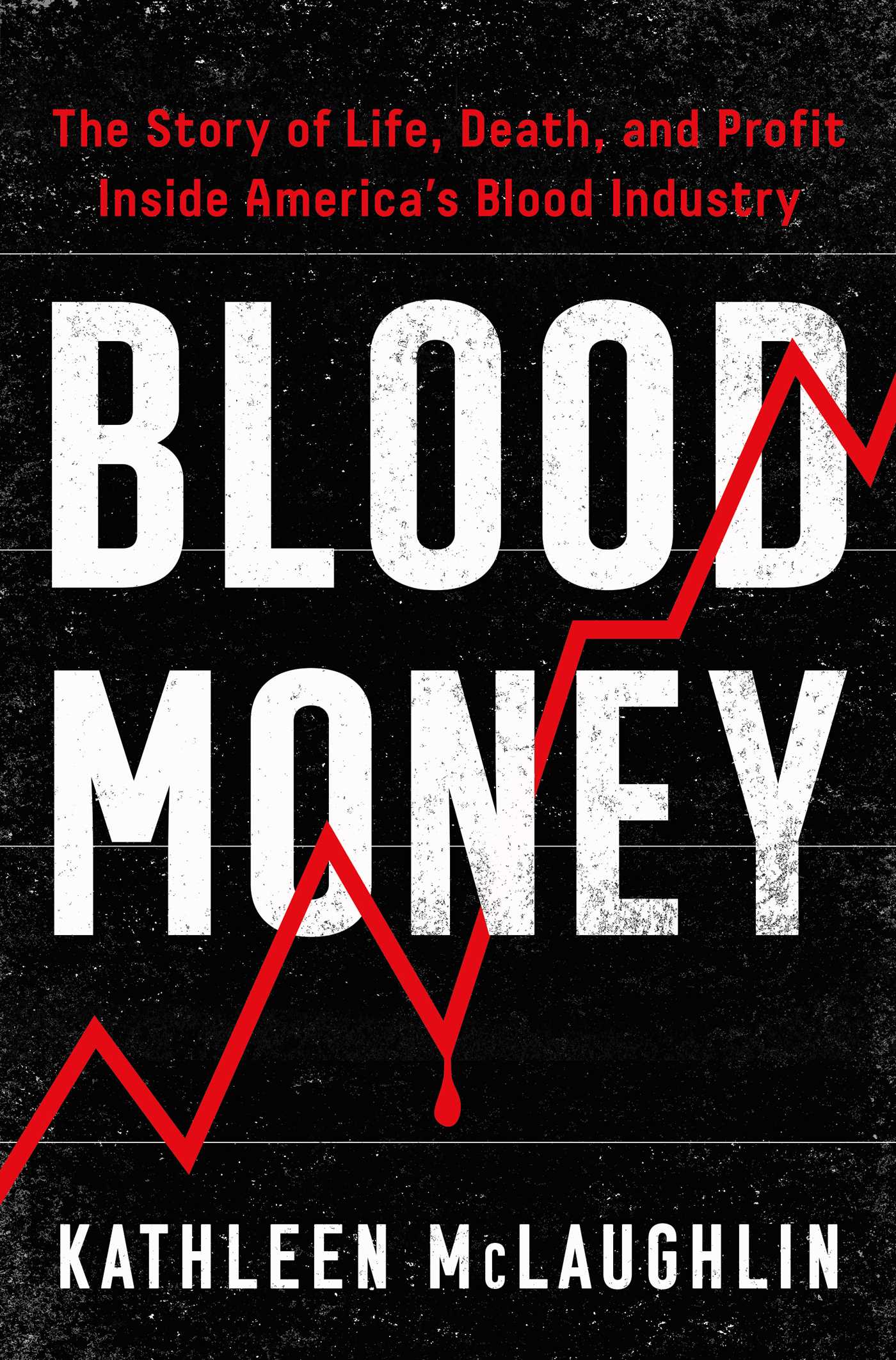
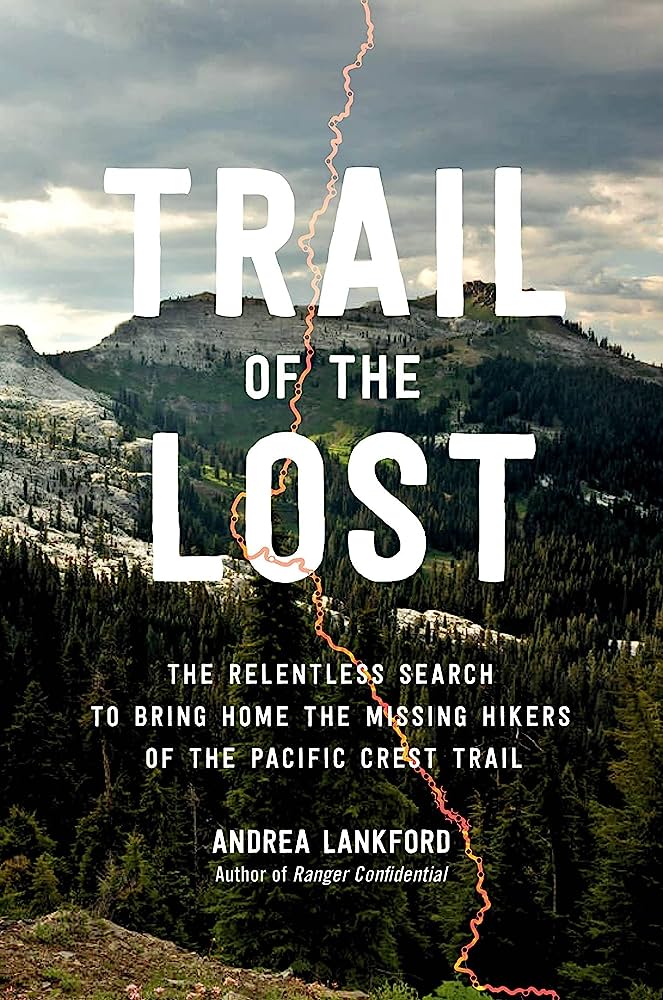
This week, I wrote three short Goodreads reviews of books I’ve read recently:

Recommendations
China Stories
Anonymous, “The Battle of Brick Lane”
Karen Hao and Sha Hua, “The U.S. Is Turning Away From Its Biggest Scientific Partner at a Precarious Time”
Terril Yue Jones, “I Watched the Dramatic Rise of Qin Gang — and Never Expected His Sudden Fall”
Shan-Jan Sarah Liu, “After #MeToo, Where Does Taiwan Go?”
Neysun Mahboubi, “An American legal scholar returns to China”
Vivian Wang and Weiyi Cai, “Rock ’n’ Roll According to the Chinese Communist Party”
Lingling Wei and Stella Yifan Xie, “China’s 40-Year Boom Is Over. What Comes Next?”
Li Yuan, “When Tragedy Strikes in China, the Government Cracks Down on Grief”
Wanderings Around the World
Adom Getachew, “Africa, the Center of History” — review of Born in Blackness: Africa, Africans, and the Making of the Modern World, 1471 to the Second World War, by Howard French
Juliana Kim, “Michigan State students discover traces of school’s first observatory built in 1881”
Madras Courier staff writer, “Saeeda Bano: India’s First Female Newscaster”
Zach Meisel, “A former MLB player who once struggled with Tourette syndrome finds peace helping others” — Jim Eisenreich was one of my favorite players on the 1993 Phillies, but I didn’t know the full story of his career until reading this profile at the Athletic
Standout Stories
Nicole Dungca and Claire Healy, “Revealing the Smithsonian’s ‘Racial Brain Collection’”
Nicole Dungca, Claire Healy, and Andrew Ba Tran, “The Smithsonian’s ‘Bone Doctor’ Scavenged Thousands of Body Parts”
Claire Healy, Nicole Dungca, and Ren Galeno, “Searching for Maura”
These stories are three components to “The Collection,” a multi-media feature published by the Washington Post last week. The entire package of articles, audio episodes, and short videos examines the collection of human brains held by the Smithsonian Institution, many of them taken from bodies during the first half of the 20th century without the consent of either the deceased or their families. At the Smithsonian, the brains and other body parts were studied by researchers who hoped to prove theories of white racial superiority based on physical characteristics; the remains now reside in storage facilities.
“The Collection” recounts this troubling history and makes a compelling argument for returning the remains to the families or communities of the deceased, as well as detailing the bureaucratic obstacles (all of which could easily be put aside) to doing so. While many of the people whose corpses were violated remain unidentified, the journalists who worked on these pieces have endeavored to research and share the stories of a few, fitting together available scraps of evidence to draw the most complete picture possible.
Alexandra Eaton, Caroline Kim, Elliot deBruyn, Bron Moyi, and Natalie Reneau, “How a Rare Portrait of an Enslaved Child Arrived at the Met”
Another story about the current-day reckoning with museum holdings, this one a video at the New York Times. The feature begins with a painting now in the possession of the Metropolitan Museum of Art and moves backward to trace its history and that of the people it depicts.
Feature photo: Flight 93 National Memorial in Stoystown, Pennsylvania, August 6, 2023.
 Maura Elizabeth Cunningham
Leave a comment